
Introduction to Machine Dyeing Clothes
Dyeing clothes in a washing machine is a practical way to refresh old garments. It saves time and uses tools many already have. Machine dyeing clothes allows for even color spread with the right technique. Understanding fabric dyeing techniques helps avoid common mistakes. This guide covers how to dye cotton in a washer, dyeing synthetic fabrics, and safety tips.
If you want to learn more about washing machine energy use during this process, see our detailed guide on energy use in washing machines.
For a deeper understanding of this mechanic, analyzing resources on how to dye using the washing machine provides excellent foundational context.
Preparing Clothes and Machine for Dyeing
Start with clean clothes. Wash garments without fabric softener to remove detergent residue. Detergent can block color absorption. Pre-wet clothes before dyeing for better color spread. Choose clothes made of natural fibers for best results. Synthetic fibers need special fiber reactive dyes.
Check your washing machine settings. Use the warm water temperature ideal for dyeing. Avoid cold water as it may reduce colorfastness in dyed garments. Set the washing cycle duration to allow enough time for the dye bath to work. Machine agitation helps with color uniformity but avoid harsh cycles that may damage fabric.
Keep safety in mind. Use gloves and work in a ventilated area. Dye powder can irritate skin and lungs.
Best Dyes for Washing Machines
Fiber reactive dye is the top choice for dyeing cotton in a washer. It bonds well with natural fibers. Brands like Rit Dye are popular for machine use. They offer permanent fabric dye options that last after many washes. Some dyes work better with a fabric mordant or sodium carbonate to fix color.
Natural fabric dyes are an eco-friendly alternative but may require more care. Tie-dye in washing machines is a fun method using multiple colors and rubber bands for patterns.
When dyeing dark clothes, choose dyes made for darker fabrics or use whitening agents carefully. Dye fixer for washing machine use helps lock in color and reduce bleeding.
Step-by-Step Washing Machine Dye Process
Follow these steps for successful machine dyeing:
- Pre-wash clothes without softener to clean fabric.
- Fill the washing machine with warm water, set to the longest wash cycle with agitation.
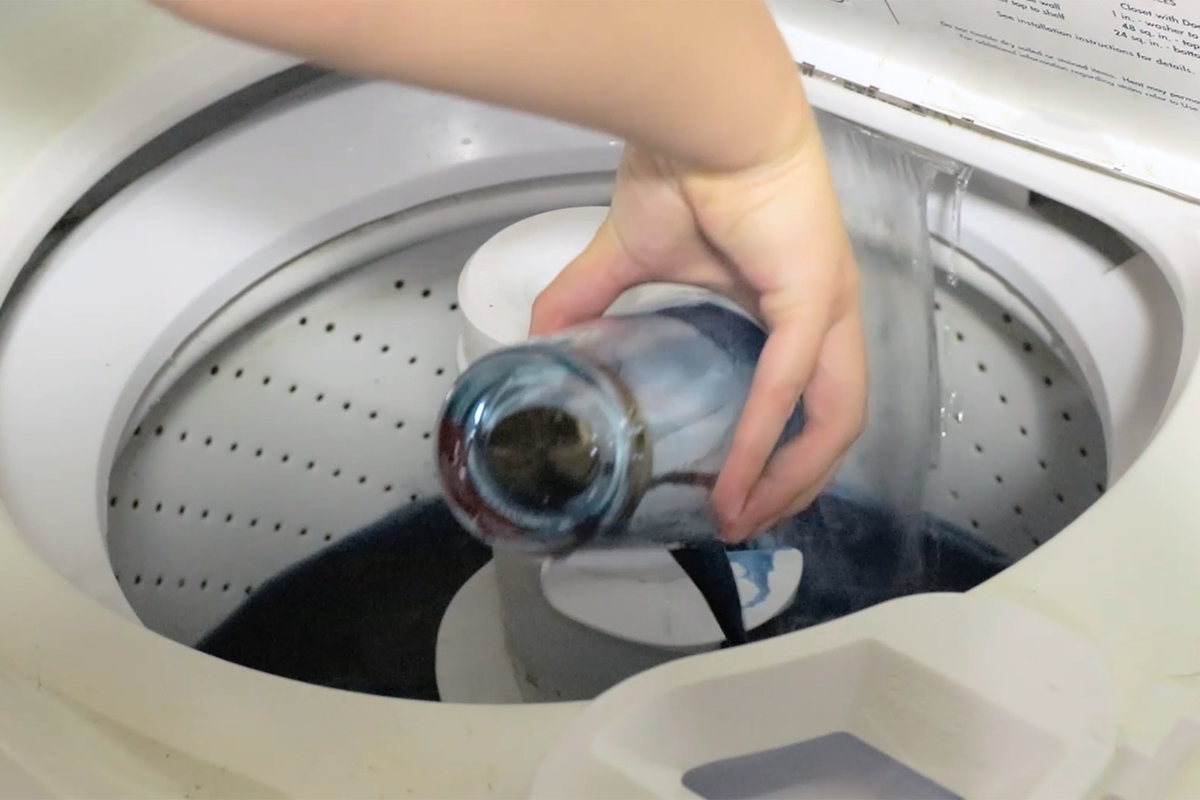
- Add the dye powder or liquid dye to the water.
- Add sodium carbonate or a color fixing agent if recommended.
- Put wet clothes into the dye bath in the machine.
- Run the machine through a full wash cycle.
- Rinse clothes until water runs clear to remove excess dye.
- Dry clothes away from direct sunlight to avoid fading.
Always read dye product instructions carefully before starting.
Machine Dye Troubleshooting
If colors appear uneven, it may be due to detergent residue or incorrect water temperature. Too much dye powder can cause blotches. Insufficient dye leads to weak color. Rinse cycles must be thorough to prevent color bleeding. Uneven machine agitation can cause spots. Adjust settings or repeat dyeing if needed.
Wash dyed clothes separately the first few times. Use gentle detergent to maintain color. If persistent issues arise, consult dye brand support or expert forums for advice.
Washing and Dyeing Safety Tips
Always wear gloves and old clothes to avoid stains. Avoid inhaling dye powder. Work in a well-ventilated room. Properly clean your washing machine after dyeing to prevent cross-contamination. Use dye additives designed for washers to improve safety. Keep children and pets away during the process.
Dispose of leftover dye liquids responsibly. Check local guidelines for chemical disposal. Regular machine maintenance keeps your washer safe for everyday use.
Clothing Color Restoration and Dye Removal
Machine dyeing can restore faded clothing to a vibrant look. Using a permanent fabric dye ensures long-lasting color. For color removal, laundry dye additives or special dye removal agents can help. Prompt action improves success. Always test on a small area first.
Consider professional services for delicate or expensive garments. Home dyeing works best on sturdy fabrics. Keep in mind that dark colors hide stains better and can often be refreshed easily.
Comparison of Fabric Dyeing Techniques
| Technique | Best For | Ease of Use | Color Uniformity | Cost |
|---|---|---|---|---|
| Machine Dyeing | Natural fibers, cotton | Easy | High | Low |
| Hand Dyeing | All fabrics | Medium | Variable | Medium |
| Tie-Dye in Washer | Fun patterns, casual wear | Easy | Variable | Low |
| Natural Dyes | Eco-friendly, natural fabrics | Hard | Medium | Medium |
Machine dyeing offers a good balance of cost, ease, and color uniformity. Natural dyes need more skill and patience.
Machine Dyeing vs Hand Dyeing
Machine dyeing suits busy people who want quick results. It keeps dye evenly spread by constant water flow and agitation. Hand dyeing allows more control for unique patterns but is slower and needs more skill.
Washing machines limit fabric damage risks due to controlled temperature and cycle length. Hand dyeing may expose fabrics to uneven heat or longer dye baths.
Final Thoughts
Dyeing clothes in a washing machine is a smart way to refresh your wardrobe in 2026. It blends modern convenience with proven fabric dyeing techniques. Use the best dyes for washing machines and follow safety tips for great results. Preparation and machine settings are key to colorfastness in dyed garments. For more laundry care tips, check our guide on cleaning shower curtains in washing machines.
This method saves money and cuts waste by renewing clothes at home. Keep experimenting safely with homemade fabric dyes or natural fabric dyes for a personal touch.
Always follow product directions and machine guidelines. With practice, machine dyeing can be a fun and useful skill for anyone who loves clothes and colors.
Quick Summary Table for Machine Dyeing
| Step | Tip | Common Mistake |
|---|---|---|
| Preparation | Wash clothes first, remove softener | Skipping pre-wash leaves residues |
| Dyeing | Use warm water, follow dye amount | Too cold or too hot water |
| Fixing | Add dye fixer or sodium carbonate | Not fixing color causes bleeding |
| Rinsing | Rinse until clear water | Poor rinsing leaves excess dye |
| Drying | Air dry away from sun | Sun fades colors fast |
Mastering these steps helps you get bright, even colors every time you dye clothes in your washing machine.
Types of Dyes and Their Best Use
| Dye Type | Fabric Type | Color Permanence | Ease of Use |
|---|---|---|---|
| Fiber Reactive Dye | Cotton, Linen | Permanent | Easy |
| Acid Dye | Silk, Wool | Permanent | Medium |
| Disperse Dye | Synthetic Fibers | Permanent | Hard |
| Natural Dye | Natural Fibers | Moderate | Hard |
Choosing the right dye for your fabric type ensures the best outcome and durability.
Safety Checklist for Dyeing in Washing Machine
| Safety Action | Reason |
|---|---|
| Wear gloves and mask | Protect skin and lungs from dye powder |
| Work in ventilated area | Reduce inhaling fumes or dust |
| Use dye additives for machine | Prevent damage to washer parts |
| Clean washer after dyeing | Stop color transfer to next loads |
| Dispose dye waste safely | Protect environment |
Following this checklist keeps your home and health safe during the dye process.
Frequently Asked Questions
Can all fabrics be dyed in a washing machine?
No, natural fibers like cotton, linen, and rayon dye best. Synthetic fabrics need special dyes for proper color.
What is the best temperature for dyeing clothes in a washer?
A warm water setting, around 40-60°C (104-140°F), helps the dye absorb well without damaging fabrics.
How do I avoid color bleeding after dyeing clothes?
Use a color fixing agent or dye fixer in the rinse cycle. Washing new dyed clothes separately helps too.
Is Rit Dye safe to use in washing machines?
Yes, Rit Dye is popular for machine dyeing. Follow instructions carefully and use safety gear.
Can I remove dye stains from clothes?
Yes, clothing dye removal products exist. Prompt treatment and gentle washing improve chances.

Alexander Macdonald is a seasoned appliance expert with over a decade of experience in the washing machine industry. He combines technical knowledge and practical insights to help consumers make informed decisions.