
Understanding the Washing Machine Clean Cycle
The clean cycle in washing machines is a special program. It helps clean the washing machine drum and other parts. Running this cycle removes detergent residue, mold, and mildew. It keeps your washer fresh and hygienic. Using the clean cycle regularly also improves washing results.
There are two main types of washers: front load and top load. Both have clean cycle options. Front load washers often have a sanitize cycle that kills germs. Top load washers may have a tub clean cycle. Knowing your machine type helps in choosing the right clean cycle.
For a deeper understanding of this mechanic, analyzing resources on how to clean a washing machine provides excellent foundational context.
Steps to Run Clean Cycle on Washing Machine
Running a clean cycle is simple. Follow these clean washer cycle steps to do it right. First, remove all clothes from the washer. Next, clean the detergent dispenser and lint filter if your model has one. Then, select the clean cycle on the control panel. Some machines need you to add a washing machine cleaner.
Use the best washing machine cleaner recommended by your machine’s manufacturer or an eco-friendly cleaner. Avoid using regular detergent during this cycle. Finally, start the clean cycle and wait for it to finish. The cycle duration can be from 30 minutes to over an hour depending on the machine.
Always refer to your washing machine manufacturer instructions for specific guidance. This ensures you do not damage your washer and get the best clean cycle benefits washing machine offers.
Cleaning Frequency and Washing Machine Maintenance Tips
How often to run a clean cycle depends on your usage. Industry consensus indicates running it every 1-3 months is ideal. If you use your washer heavily or notice odors, clean it more often. Regular maintenance includes wiping the door seal and leaving the door open to dry.
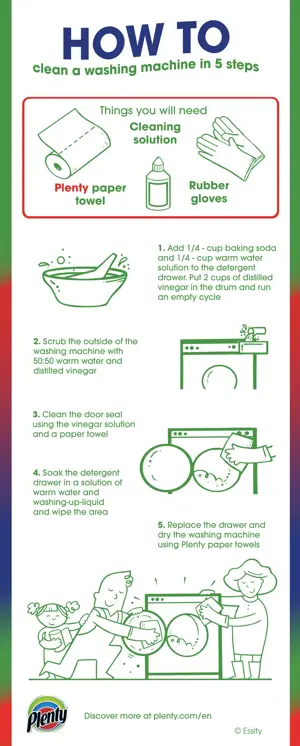
Cleaning washing machine tub and detergent dispenser helps prevent mold and mildew. Also, clear the lint filter regularly if your washer has one. Using the right amount of detergent prevents detergent residue buildup that can cause smells.
Following a maintenance schedule protects your washer and keeps clothes fresh. For more details on cleaning washing machine parts, check the guide on clean washing machine drain hose.
Washing Machine Odor Removal and Mold Prevention
Bad odors in washing machines come from mold and mildew growth. Running the clean cycle removes these odors effectively. If mold is visible, clean the rubber door seal by hand with a mold remover or vinegar solution.
The clean cycle rinse cycle flushes out loosened mold and residue. Using the washing machine sanitize cycle can kill bacteria causing odors. Always dry the drum and door seal after use to prevent mold return.
Regular clean cycles combined with proper drying prevent washing machine odor removal issues. For expert insight on mold removal, see the article on how to clean mold front loader washing machine.
Eco-Friendly Cleaners and Best Practices
Eco-friendly washing machine cleaners are gaining popularity in 2026. They use natural ingredients to clean effectively without harsh chemicals. These cleaners are safe for all machine types and the environment.
Using eco-friendly cleaners in your washing machine clean cycle helps reduce chemical exposure. They also prevent build-up and odors. Always follow the cleaner’s instructions and your washer’s guidelines.
:max_bytes(150000):strip_icc()/clean-top-load-washing-machine-5073254-V1-4d57061f759a4c84a61cb797084649a7.png "How to Clean a Top-Load Washing Machine (Figure)")
Besides cleaner choice, maintain your washing machine by not overloading and using the correct water temperature. Hot water in the clean or sanitize cycle improves cleaning power but check if your washer supports it.
Comparison of Clean Cycle Types
| Cycle Type | Purpose | Water Temp | Duration | Best For |
|---|---|---|---|---|
| Clean Cycle | Remove residue, dirt, and mild odors | Warm | 30-60 mins | Regular maintenance |
| Sanitize Cycle | Kill germs and bacteria | Hot | 60-90 mins | Deep cleaning, odor removal |
| Tub Clean Cycle | Clean drum and detergent dispenser | Warm to Hot | 45-75 mins | All washer types |
Understanding these cycle types helps you choose the right one for your needs. Use sanitize cycles for deep cleaning and clean cycles for routine care.
Common Mistakes to Avoid When Running Clean Cycles
One common mistake is not removing clothes before running the clean cycle. This can damage clothes and reduce cleaning effectiveness. Another error is using regular detergent instead of a cleaner. Avoid using bleach unless your manufacturer allows it.
Skipping cleaning the detergent dispenser or door seal leads to poor results. Also, not drying the washer after use invites mold growth. Follow washing machine manufacturer instructions carefully for best results.
For tips on starting a washer clean cycle properly, see the guide on how to self clean GE washing machine.
Conclusion
Running the clean cycle on your washing machine is vital for hygiene and performance. It removes dirt, mold, and detergent residue. Use the right cleaner and cycle based on your machine type and needs. Follow manufacturer instructions and maintain a regular cleaning frequency.
Eco-friendly cleaners offer a safe, effective option for 2026 households. Remember to dry your washer after use and clean parts like the detergent dispenser. Avoid common mistakes to extend your washer’s life and keep clothes fresh.
By following these steps and tips, you ensure your washing machine stays clean and works well for years. Proper washing machine maintenance is simple but key to good laundry results.
Frequently Asked Questions
What is a washing machine clean cycle?
A clean cycle is a special wash program designed to clean the inside of the washing machine, including the drum and detergent dispenser.
How often should I run a clean cycle?
Industry experts recommend running a clean cycle every 1 to 3 months, depending on usage, to prevent mold and detergent build-up.
Can I use eco-friendly cleaners in the clean cycle?
Yes, eco-friendly washing machine cleaners are safe and effective for regular cleaning without harming the environment.
What is the difference between clean cycle and sanitize cycle?
A sanitize cycle uses higher temperatures and longer wash times to kill germs, while a clean cycle mainly removes residue and dirt.
How do I start the washer clean cycle?
Check your washing machine’s manual for instructions, usually by selecting the clean or tub clean option on the control panel.

Alexander Macdonald is a seasoned appliance expert with over a decade of experience in the washing machine industry. He combines technical knowledge and practical insights to help consumers make informed decisions.