
Popular Kitchen Tile Designs
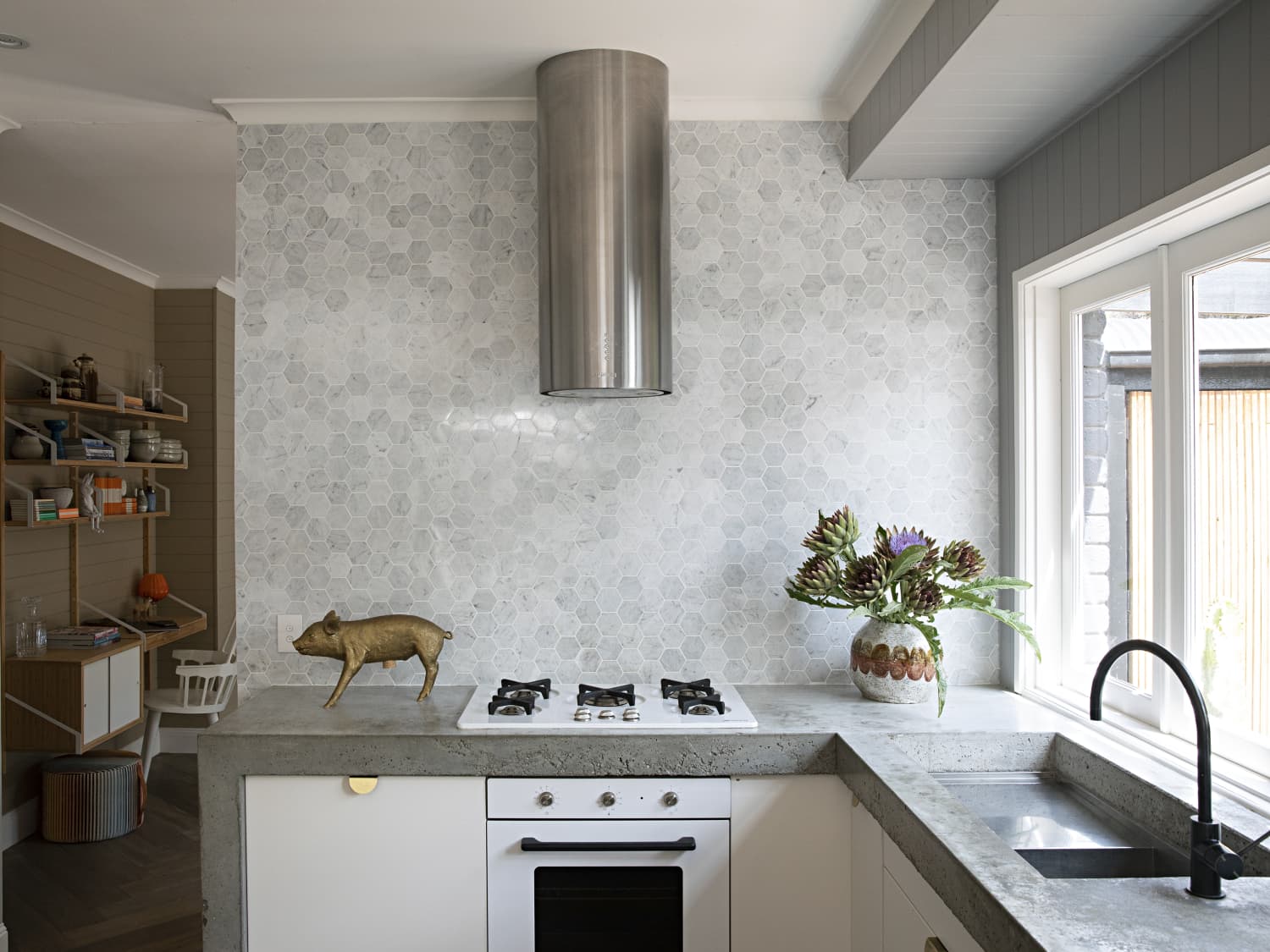
Kitchen tiles in 2024 embrace both style and function. Ceramic kitchen tile designs continue to shine, especially those featuring hexagonal shapes and intricate mosaic patterns. Patterned encaustic tiles bring a vintage vibe, while modern geometric tiles push kitchens into a fresh, contemporary look.
Subway tile backsplash ideas remain timeless, but with a twist—think textured tile surfaces and matte finish tiles that add depth and subtle sophistication. Large format kitchen tiles are gaining traction for their ability to make spaces feel bigger and cleaner.
Tile Materials: Durability and Eco-Friendliness
Porcelain tile durability makes it a top pick for kitchen floors and high-use areas. Its dense, low-absorption nature means it withstands spills and stains better than many ceramic alternatives. Ceramic tiles, especially pressed ceramic, offer a wide range of designs and are lighter but less hard-wearing.
Eco-friendly tile materials are making waves, combining sustainability with style. These include tiles made from recycled glass or natural clays, often paired with hydrophobic coatings to boost water resistance. Choosing eco-friendly options supports greener living without sacrificing durability.
• Ceramic: Cost-effective, versatile designs
• Eco-friendly: Made with recycled content, lower carbon footprint
Tile Installation and Cost Factors
Tile installation cost factors vary widely depending on tile type, size, and labor. Large format tiles require precise handling and may increase installation labor costs. Adhesive vs mortar tiles choice also affects expenses; mortar is often costlier but enhances durability on floors.

Heated floor tiles add both comfort and installation complexity, influencing the overall budget. When testing installation costs, consider regional price differences and contractor expertise. DIY installation can reduce costs but risks improper adhesion or grout issues.
Adhesive: Easier, quicker, less mess
Mortar: Stronger, better for floors, more labor-intensive
Grout Color Trends and Tile Sealing Techniques
Grout color trends are subtle but impactful. Neutral shades remain dominant, but darker grout is popular for highlighting tile patterns, especially with modern geometric tiles or subway tiles. Epoxy grout is favored for its stain resistance and longevity in kitchens.
Tile sealing techniques protect against moisture and stains. Applying a sealing compound soon after installation and reapplying every year or two preserves grout and tile surfaces. Water-resistant tile coatings add an extra defensive layer against kitchen spills.
• Clean tiles and grout thoroughly before sealing
• Use a high-quality sealing compound
• Allow proper drying time
• Reapply sealing annually for best results
Tile Maintenance Tips
Tile maintenance tips can save you headaches and costs. Regular sweeping and mopping with mild cleaners help keep tiles pristine. Avoid harsh chemicals that damage grout or matte finishes. For textured tile surfaces, use soft brushes to remove dirt without scratching.
Sealing grout lines periodically prevents discoloration and mold. Slip resistance is vital, so keep non-slip kitchen tiles free of grease and moisture. Simple upkeep extends tile life and maintains your kitchen’s fresh look.
1. Clean spills immediately
2. Use pH-neutral cleaners
3. Seal grout annually
4. Avoid abrasive scrubbers
5. Inspect for cracks regularly
Trending Tile Patterns and Styles
Hexagonal tile patterns are a standout trend, offering a playful yet sophisticated geometry. These shapes work well on floors and backsplashes, especially in textured or matte finishes. Patterned encaustic tiles bring artful color and heritage style to kitchen walls or islands.
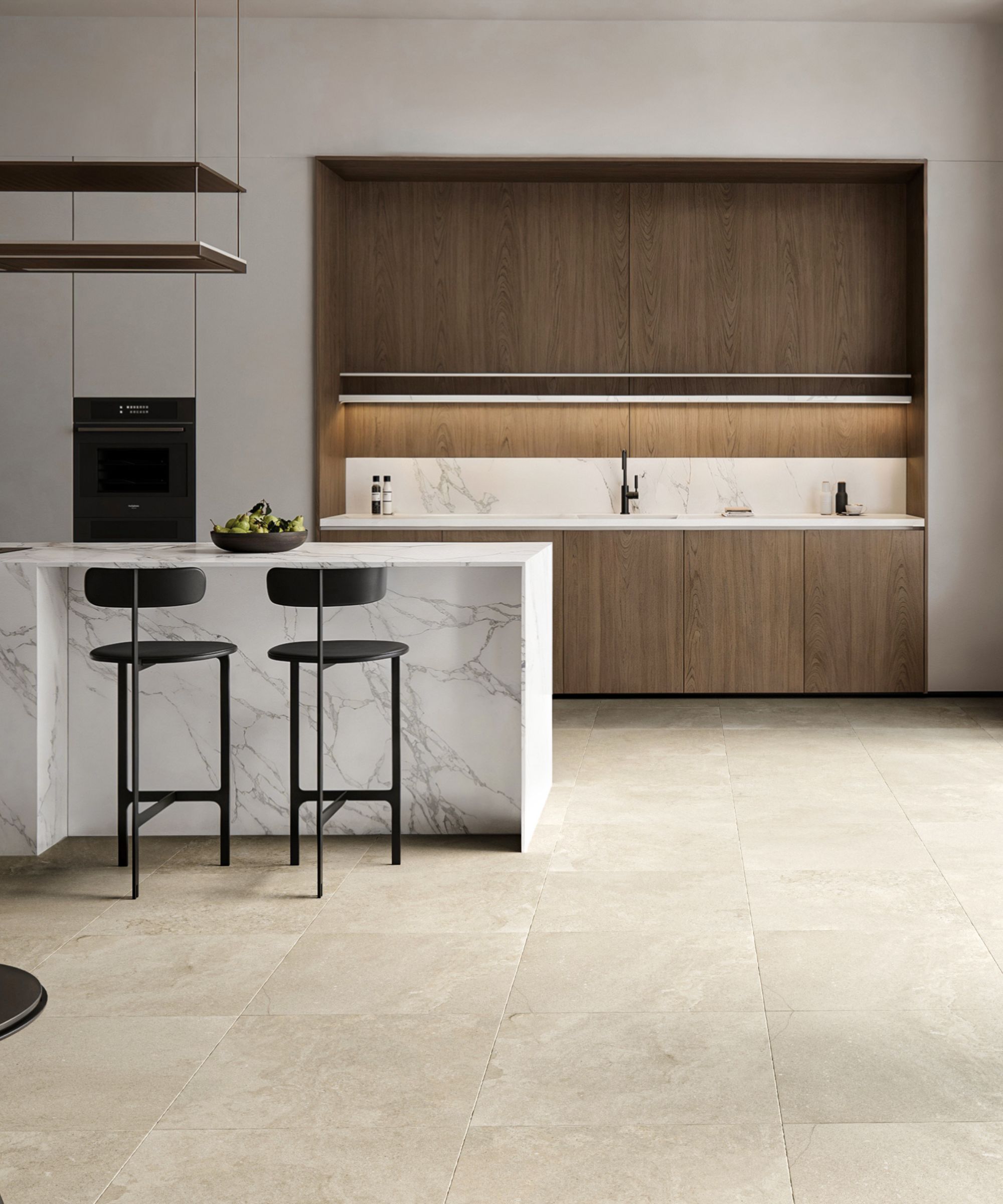
3D tile installations add a modern twist, creating depth and interest through microtexture. Vintage kitchen tile styles remain beloved, blending seamlessly with contemporary design for an eclectic look. Check out this expert kitchen design ideas to see how these patterns transform spaces.
Special Features: Heated Floors and Slip Resistance
Heated floor tiles are a comfort upgrade many homeowners appreciate. They offer thermal resistance that keeps feet warm during colder months. The upfront installation cost depends heavily on your kitchen setup and local labor rates, but the long-term energy efficiency is appealing.
Slip resistance is another must-have for kitchen tiles. Non-slip kitchen tiles with microtexture or hydrophobic coatings reduce fall risk, especially in busy households. Combining safety with style ensures your kitchen stays both beautiful and functional.
• Non-slip tiles: safety, durability
• Water-resistant coatings: protection from spills
Final Thoughts on Kitchen Tile Trends
Kitchen tile trends in 2024 mix durability with eye-catching design. Whether you lean toward eco-friendly materials or bold geometric patterns, there’s a tile solution for every style and budget. Keep grout color and sealing techniques in mind to maintain your kitchen’s look and longevity.
For advice on complementary finishes, explore our guide on mastering kitchen color trends for 2024. Remember, investing in quality materials and proper installation pays off in the long run, especially when testing tile options for your home.
| Tile Type | Durability | Cost Range | Eco-Friendliness |
|---|---|---|---|
| Porcelain | High | $$$ | Moderate |
| Ceramic | Medium | $$ | Good |
| Encaustic | Medium | $$$ | Variable |
| Recycled Glass | High | $$$ | High |
| Grout Type | Stain Resistance | Maintenance | Best Use |
|---|---|---|---|
| Epoxy Grout | High | Low | Kitchens, Bathrooms |
| Cementitious Grout | Medium | Medium | General Use |
| Urethane Grout | High | Low | High Traffic Areas |
| Installation Method | Ease | Durability | Cost Factor |
|---|---|---|---|
| Adhesive | Easy | Moderate | Lower |
| Mortar | Moderate | High | Higher |
