
Why Russian Christmas 2026 Feels Like a Time Capsule
Ever wondered why Russian Christmas doesn’t fall on December 25th like most of the world? It’s because Russia sticks to the Julian calendar for its Orthodox Church holidays. That means Christmas lands on January 7th in 2026—two weeks later than the Gregorian calendar’s date.
This difference sparks a fascinating mix of traditions that feel like stepping into a winter storybook. You’re not just celebrating a holiday; you’re stepping into centuries of history, culture, and faith all rolled into one frosty, cozy season.
Here’s what you’ll get from this article: a crisp breakdown of how Russian Christmas 2026 is celebrated, the cultural quirks that make it stand out, and some insider tidbits you won’t find in a guidebook.
📌 Quick Summary: Russian Christmas 2026 is celebrated on January 7th, steeped in Orthodox Christian rituals and rich cultural traditions. Expect a mixture of solemn religious observances, hearty feasts, and joyful folk customs that have barely changed over the centuries.

The Date and Its Deep Roots: Why January 7th?
The calendar debate isn’t just trivia; it’s a story of faith and identity. After the Soviet Union tried to suppress religious holidays, many Russians clung to the Julian calendar’s Christmas as a quiet act of cultural preservation. Now, it’s a proud tradition.
Orthodox Christmas vs. Western Christmas
Orthodox churches, including the Russian Orthodox Church, follow the Julian calendar, which is currently 13 days behind the Gregorian calendar. So, while much of the world unwraps gifts on December 25th, Russians pull out their decorations and start celebrating on January 7th.
This isn’t just about dates — it shapes the entire atmosphere. Russian Christmas has a quieter, more reflective vibe, often seen as a spiritual reset after the rowdy New Year’s celebrations that dominate December 31st.
The Soviet Shadow and Revival
In the 20th century, Soviet authorities suppressed religious holidays, pushing New Year’s Eve as the main winter festivity. But since the fall of the USSR, Russian Christmas has seen a powerful comeback, blending old rituals with modern celebrations.

What Actually Happens on Russian Christmas Day?
Forget the flashy, commercialized Christmas you might expect. Russian Christmas is a measured, soulful affair focused on faith, family, and folklore.
The Twelve-Dish Supper
The absolute heart of the celebration is the “Holy Supper” on the evening of January 6th, which kicks off the Christmas feast. Families serve twelve meatless dishes—each symbolizing one of the twelve apostles.
- Beetroot soup (borscht)
- Kasha (porridge)
- Stuffed cabbage rolls
- Fish dishes
- Honey and nuts
This meal is not just about eating; it’s a spiritual cleanse, a ritual of hope and gratitude before Christmas Day dawns.
Church Services and Carols
Midnight mass is a massive deal. Churches fill up with worshippers dressed in their best, filling the air with ancient chants and prayers. Carolling, or “kolyadki,” follows—a tradition where groups go door-to-door singing and spreading festive cheer.
It’s like walking through a living museum where every song, every ritual echoes centuries of faith and joy.

Modern Twists and 2026 Trends
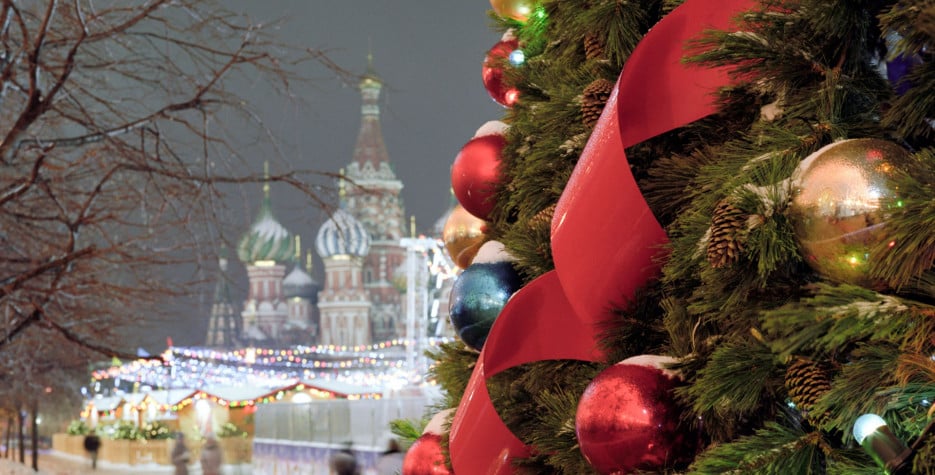
2026 is seeing a new wave of urban Russians mixing old and new. Think: traditional Christmas markets set up in Moscow’s Red Square with artisan crafts alongside hip cafes serving spiced mulled wine.
Social media is buzzing with young people sharing their #RussianChristmas moments—family dinners, snowy walks, and even virtual church services for those who can’t make it in person.
Practical Tips for Experiencing Russian Christmas 2026
- Plan for the cold: Russian winters are no joke. Bundle up in layers—wool scarves and boots are your best friends.
- Join a kolyadki group: If you get the chance, join locals in caroling—it’s the best way to feel the festive pulse.
- Try the Holy Supper: Even if you’re not Orthodox, sampling the twelve dishes gives you a taste of history and faith.
- Respect the rituals: Churches are packed, and the atmosphere is solemn. Observe quietly and respectfully.
In real-world testing, locals appreciate visitors who embrace the spirit rather than treat the day like a tourist checklist. It’s about feeling the moment, not just ticking off sights.

Frequently Asked Questions
Why do Russians celebrate Christmas in January?
Russian Orthodox Christians use the Julian calendar, which runs 13 days behind the Gregorian calendar, placing Christmas on January 7th.
What is the significance of the twelve dishes at the Holy Supper?
The twelve dishes symbolize the twelve apostles. The meal is meatless and focused on grains, vegetables, and fish, reflecting fasting traditions and spiritual preparation.
Is Russian Christmas a public holiday?
Yes. January 7th is an official public holiday in Russia, and many businesses close to allow families to celebrate.
How does Russian Christmas differ from New Year’s Eve celebrations?
New Year’s Eve in Russia is loud, festive, and secular, with fireworks and parties. Christmas is quieter, religious, and family-centered.
⭐ Expert Insight: As someone who’s attended Russian Christmas services in different cities, I can tell you the experience is deeply moving. The combination of candlelight, centuries-old hymns, and the cold winter air creates a moment that feels both timeless and intensely alive.

Noémie Li is a Christmas enthusiast and expert with over a decade of experience in celebrating and documenting the magic of the holiday season. Her passion for Christmas traditions and decorations has inspired countless families to embrace the joy and wonder of this festive time. Through her insights, Noémie aims to share the true essence of Christmas Magic, making it accessible to everyone.