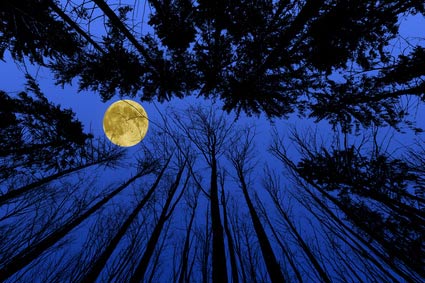
Ever tried capturing the full moon only to get a dull disk or a blurry fuzz? Photography Tips For Capturing The January 2027 Full Moon In Different Weather Conditions will save your shots and your sanity this lunar event. Taking photos of the moon is deceptively tricky; weather can either make your photo sing or flop spectacularly. Imagine you’re on a chilly January night, camera in hand, and the sky teases you — clouds drifting on and off, or maybe a frosty haze.
Understanding How Weather Impacts Moon Photography
Weather is the ultimate mood setter for your shots. Clear skies give crisp moon details, while clouds can add drama or become a nightmare. Here’s what different conditions mean for your photography.
Clear Skies – The Classic Moon Shot
Clear skies let you capture sharp craters and the moon’s textures. Ideal shutter speed is fast, around 1/125 to 1/250 sec with ISO 100–200 and a narrow aperture (f/11). Use a telephoto lens; 200mm or longer works wonders. Pro tip: manual focus beats autofocus every time on moon shots under clear conditions to avoid hunting focus.
Partially Cloudy Skies – Adding Drama
Scattered clouds can create dynamic compositions. Wait for the moon to peek through the clouds. Use longer exposures (up to 1/30 sec) and a slightly higher ISO (up to 800) to balance light. Shoot in burst mode – capturing several frames increases chances of nailing the perfect moment.

Source: astrobackyard.com
Foggy or Hazy Weather – Soft and Mysterious
Fog or haze acts like a natural diffuser. Embrace it for surreal, soft-focus images. Use wider apertures (f/4–f/5.6) and higher ISO settings (800–1600) to compensate for light loss. A tripod is non-negotiable here to combat long exposure blur.
Camera Gear Essentials for January 2027 Lunar Photography
- DSLR or mirrorless camera with manual mode.
- Telephoto lens (200mm to 600mm) for detailed moon imagery.
- Sturdy tripod to stabilize long exposures.
- Remote shutter release or intervalometer to avoid vibrations.
- Extra batteries (cold drains power faster).
Choosing the Right Lens
Telephoto lenses are king. If you can’t go super long, use a crop camera sensor to increase effective focal length. Don’t forget to check for vignetting and lens sharpness before shooting the moon.
Settings Cheat Sheet
- ISO: 100–800, depending on light and weather.
- Aperture: f/4 to f/11 (adjust per clarity and desired depth).
- Shutter Speed: 1/30 to 1/250 to avoid motion blur.
- Focus: Manual, zoom live-view for fine tuning.
- White Balance: Daylight or custom for better moon tones.
Preparing for Different Weather on January 2027 Full Moon Night
Weather in January can be wildly unpredictable. Prepare for cold snaps or slight precipitation.
- Check local weather forecasts hours before shooting.
- Dress warmly and bring hand warmers.
- Protect your gear with rain covers in case of wet conditions.
- Scout your shooting location before nightfall.
- Use apps to track moonrise and moonset times for your area.
Advanced Techniques For Stunning Lunar Photos
Bracketing for the Moon and Landscape
Bracketing exposures can capture both the bright moon and a dimly lit foreground. Merge exposures later via HDR techniques to get a jaw-dropping final shot.
Moon Illusion and Creative Composition
Want to make the moon look HUGE on the horizon? Use telephoto compression by positioning yourself far from elements like trees or buildings. This optical trick adds storytelling flair.
Common Photography Mistakes to Avoid Under Moonlit Skies
- Ignoring focus errors — Always zoom in live-view and fine-tune focus manually.
- Using too high ISO — Leads to noisy, grainy moon images.
- Shooting too late in the night — Moon brightness changes; plan for early moonrise shots.
- Shaky hands — Always use tripod & remote shutter release.
- Not adjusting white balance — Results in unnatural colors.

Source: en.tutiempo.net
Photography Tips For Capturing The January 2027 Full Moon In Different Weather Conditions: Final Thoughts
Whether skies are crystal clear or teasing you with clouds, remember that Photography Tips For Capturing The January 2027 Full Moon In Different Weather Conditions are your best ally to bag breathtaking moon photos this season. Embrace challenges, experiment boldly, and prepare for unexpected weather twists. Don’t forget to check NASA’s lunar photography guide for technical inspiration. And when in doubt, look at experts sharing moon photo tips for fresh techniques. Dive into the night with confidence; the moon is waiting!
“The moon shines bright, but the photographer’s skill lights up the frame.” — Amateur Moon Photographer
For the most detailed and dynamic shots, deploying techniques discussed in this moon photography planning post is critical. And don’t miss this video on photographing the full moon for step-by-step visual guidance. With preparation, patience, and these photography tips, your January 2027 full moon pictures will be nothing short of spectacular! 🚀
Frequently Asked Questions
What camera settings are best for photographing the full moon?
Start with ISO 100-200, aperture around f/11, and shutter speed near 1/125 seconds for clear skies. Adjust for weather and lighting.
How does weather affect full moon photography?
Clear skies reveal sharp lunar detail, clouds add drama, haze creates soft effects. Knowing weather helps you adapt camera settings and timing.
Can I photograph the moon with a smartphone?
Yes, but quality improves greatly with a telephoto lens attachment and manual controls for exposure and focus.
Is a tripod necessary for moon photography?
Absolutely. A tripod stabilizes your camera for sharp images, especially in low light and long exposure conditions.
When is the best time to photograph the January 2027 full moon?
The full moon peak night on January 25th is prime. Moonrise and moonset offer creative lighting options.
How to avoid blurry moon photos?
Use a tripod, manual focus, avoid high ISO, and use fast enough shutter speeds to freeze motion.
Are there apps that can help plan moon photography?
Yes, apps like PhotoPills or The Photographer’s Ephemeris track moon phases, rise/set times, and weather forecasts.

