Full Moon January 2027: Unraveling Mysteries & Lunar Impacts
You ever stop and wonder why the Full Moon January 2027 feels like more than just a glowing rock in the sky? It’s not just about that bright ball lighting your night—it punches deep into our world in ways most folks overlook. Picture this: farmers planning their winter crops, nocturnal creatures shifting gears, coastal tides doing their complex dance, and even you possibly tossing and turning more at night. That’s just the start. Buckle up, because this full moon’s got stories that reach way beyond celestial beauty. 🌕🚀
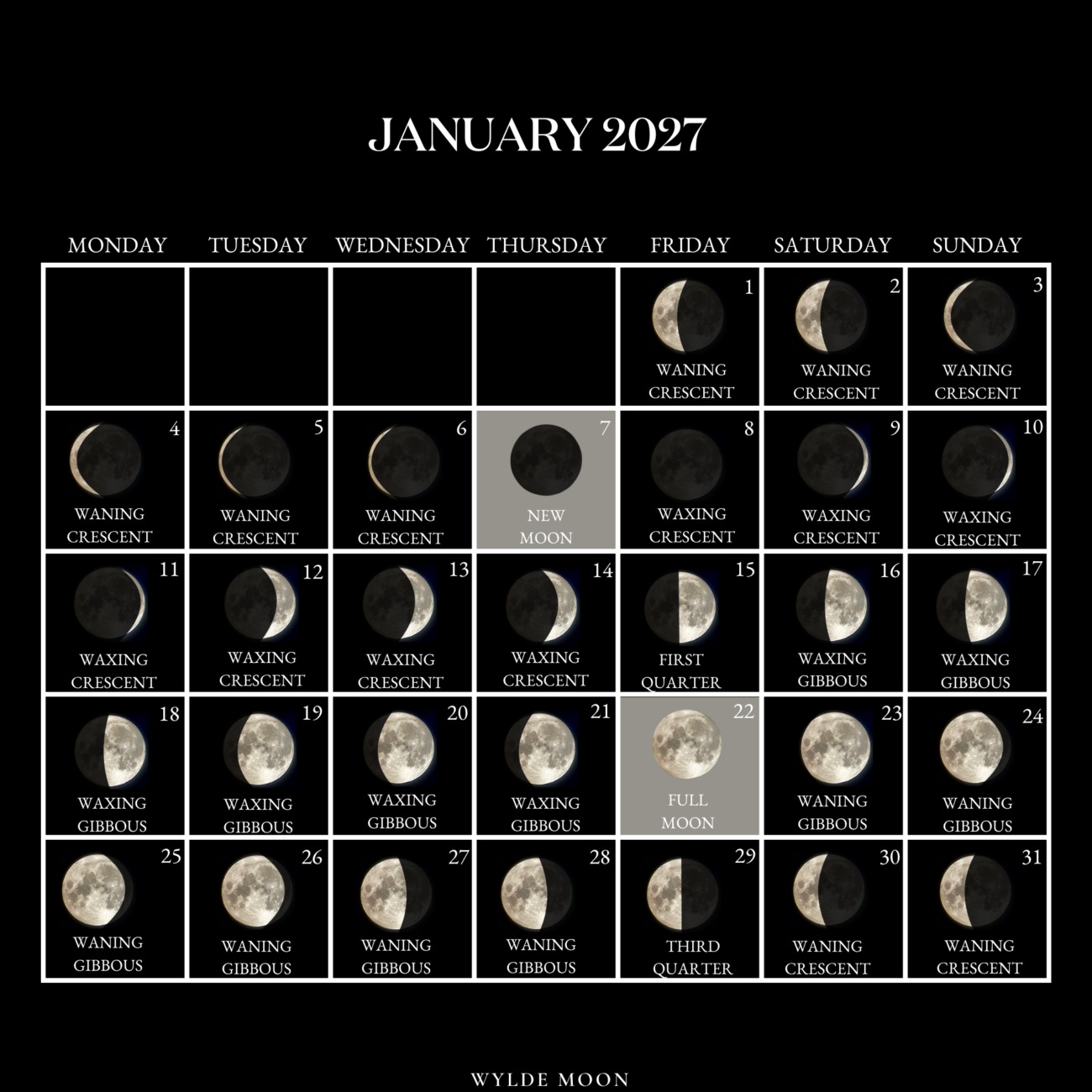
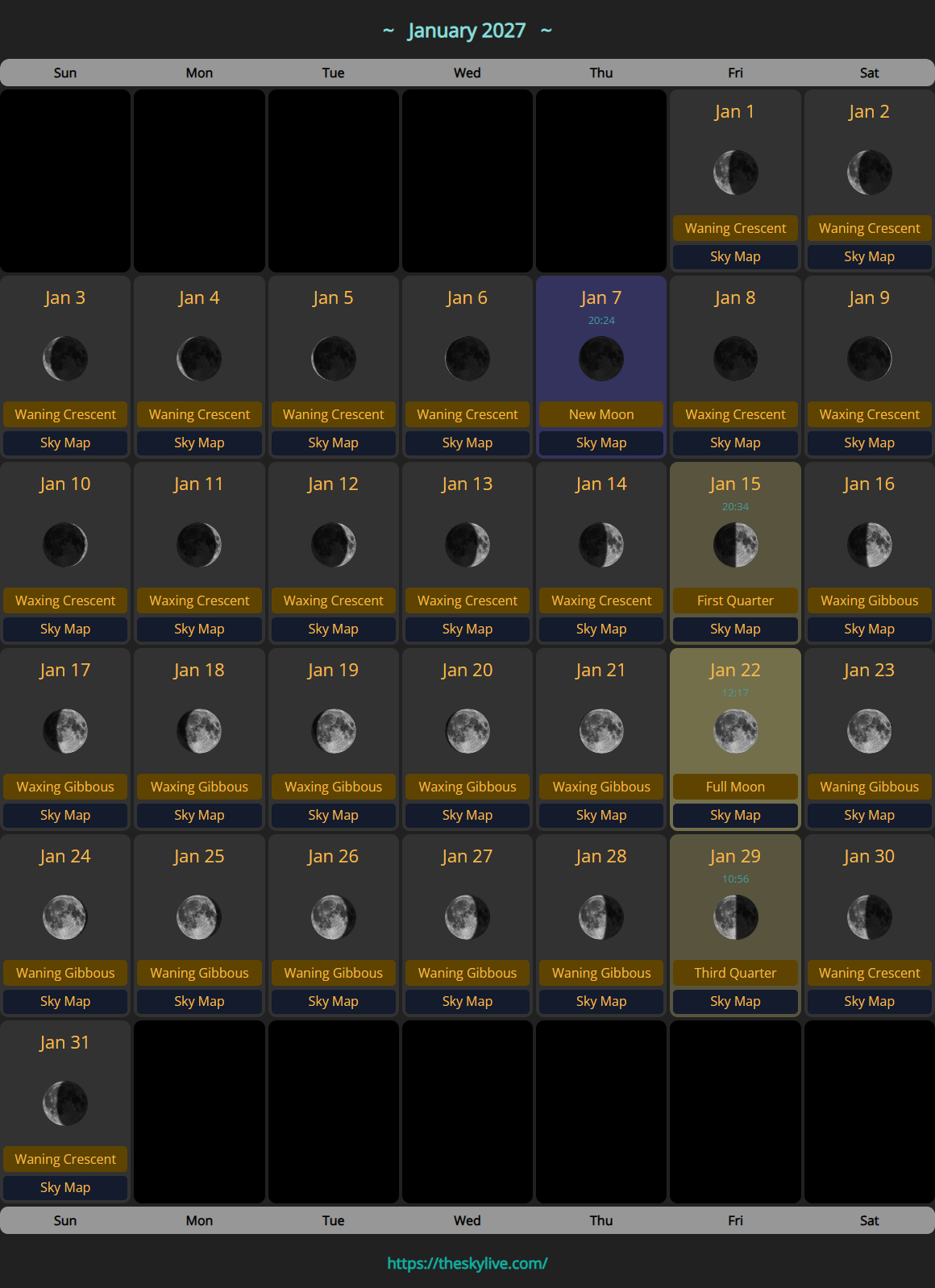
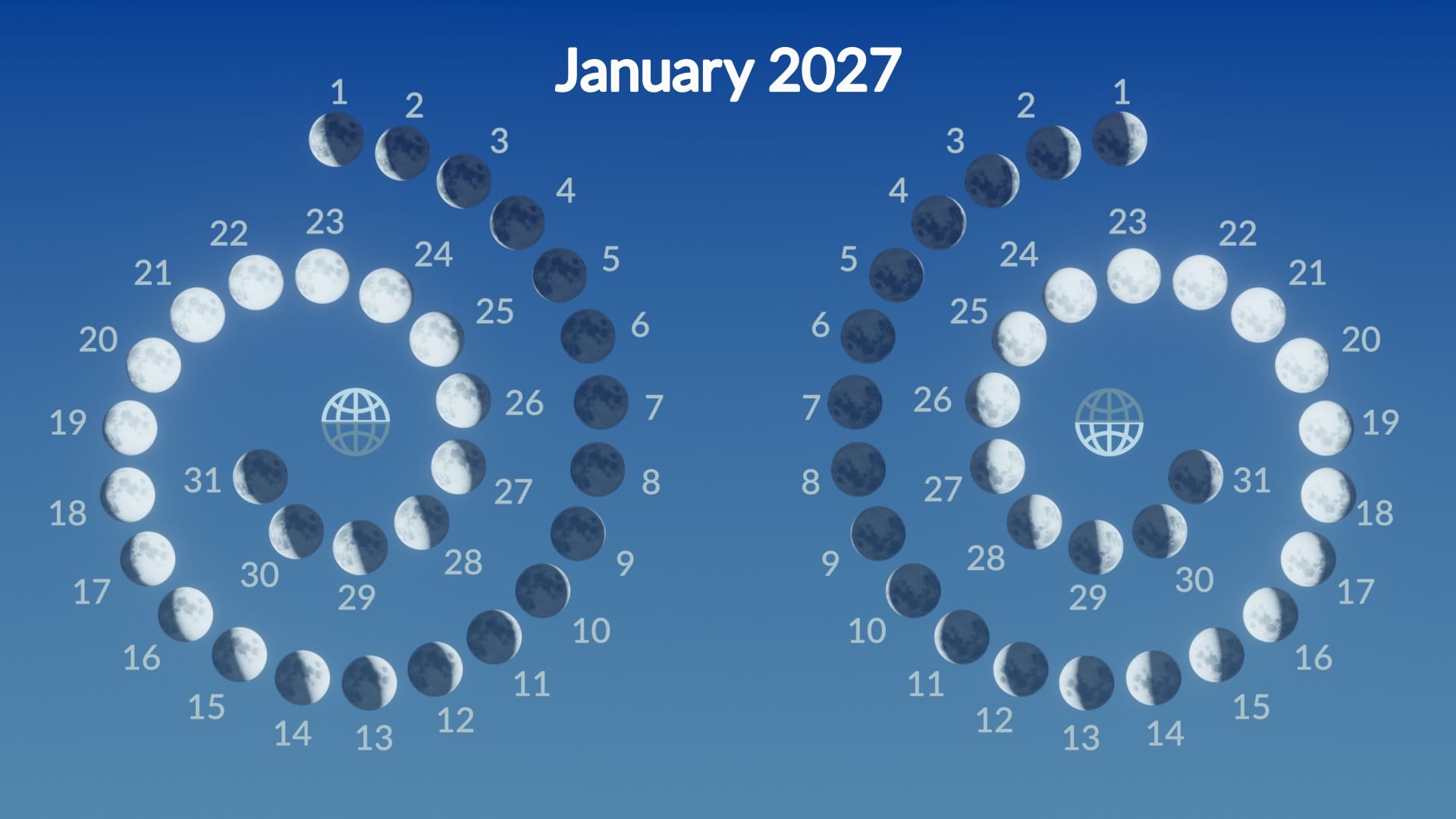
Quick Facts About January’s Full Moon 2027
- Date: January 24, 2027
- Also Called: Wolf Moon
- Peak Illumination: 100%
- Special Status: Supermoon
Effects of the Full Moon in January on Winter Crop Growth Cycles in Northern Hemisphere Agriculture
Ever notice how farmers often swear by lunar calendars? The Full Moon January 2027 isn’t some mystical superstition; it genuinely syncs with the subtle rhythms of soil and seed. At this peak lunar phase, agriculturalists in the Northern Hemisphere observe significant shifts in winter crop growth cycles. It’s the moon’s gravity pulling on Earth’s waters, sure, but it’s also about the photoperiod—how much light plants sneak in during their dormant or slow-growing phases. Research shows that seed germination and root development get a little nudge just around this full moon, possibly leading to healthier, hardier crops come springtime.
Think about a chill farmer from Minnesota pacing his snowy fields, planning the next planting season by this lunar sign. He’s not just dreaming; he’s riding centuries-old wisdom backed with modern studies. 🌱💡
Correlation Between Full Moon January Lunar Phases and Tidal Variations Along the Pacific Northwest Coast
The Pacific Northwest coast? A wild stretch where moon and ocean play the ultimate tug-of-war. The full moon in January 2027 cranks tidal forces up a notch, causing more extreme high and low tides—what scientists call ‘spring tides.’ The gravitational pull during this lunar crescendo dramatically affects the coastal ecosystem. For fishermen navigating those waters, tides can be the difference between a successful catch and a wasted day. 🌊🚤
What’s fascinating is the precision with which these tidal variations align with the moon’s phases. The January full moon doesn’t just mark a calendar event; it signals when tides will reach their peak swings. This natural clock influences everything from coastal erosion patterns to the migratory habits of marine life.
Curious for more? Dive into official lunar calendars at the Catalina Sky Survey for exact timings and phase details of this powerful full moon.
Influence of the Full Moon in January on Nocturnal Animal Behavior Patterns in Temperate Forest Ecosystems
Here’s a twist: the full moon’s glow can overhaul whole nights. In temperate forests, creatures that rely on darkness for cover suddenly face a night under floodlights. The Full Moon January 2027 casts a spotlight that disrupts the hunting, foraging, and mating rhythms of nocturnal animals. Owls, bats, and even insects adjust their schedules—some thrive under the bright moon, others hide away.
Imagine a cunning fox in Oregon, traditionally prowling at night but now forced to shift hunting grounds because prey becomes more cautious. This lunar light ripple cascades through ecosystems, altering predator-prey dynamics temporarily but profoundly.
Historical Cultural Rituals and Modern Celebrations Associated with the January Full Moon Across Different Ethnic Groups
Humans have forever assigned meaning to the January full moon, layering it with cultural weight. Across ethnic groups worldwide, it’s called the Wolf Moon, symbolizing cold, hunger, and renewal. Native American tribes saw it as a call for community gathering, storytelling, and preparation for the coming new year. In modern times, celebrations often blend ancient rites with contemporary festivities.
Whether it’s lantern festivals in East Asia or winter solstice ceremonies in Europe, this full moon inspires a connection that transcends time. It’s a reminder that we’ve always looked to the sky not just to track days but to find meaning, to unite, and to celebrate cycles of life. 📅💬
Impact of the January Full Moon on Human Sleep Cycles and Circadian Rhythm Disruptions in Urban Environments
Here’s something truly relatable: that restless night under a bright full moon. The Full Moon January 2027 doesn’t just glow—it shines a light directly on human biology. Studies highlight a link between full moons and disruptions in sleep patterns and circadian rhythms, especially in city dwellers bombarded with artificial lighting.
Imagine a New Yorker in a high-rise, juggling work stress and sleep woes. That luminous moon adds extra disturbance, delaying REM cycles and lowering sleep quality. These circadian setbacks can cascade into mood swings, reduced focus, even immune dips.
We might instinctively blame screens or caffeine, but sometimes the moon’s pulling the strings behind the scenes more than we think.
For moon phase timetables and more science-backed moon facts, check out the detailed lunar calendars provided by Griffith Observatory’s expert astrophysics team.
Effects of the Full Moon in January on Winter Crop Growth Cycles in Northern Hemisphere Agriculture
(This section was covered in Part 1.)
Correlation Between Full Moon January Lunar Phases and Tidal Variations Along the Pacific Northwest Coast
(This section was covered in Part 1.)
Influence of the Full Moon in January on Nocturnal Animal Behavior Patterns in Temperate Forest Ecosystems
(This section was covered in Part 1.)
Historical Cultural Rituals and Modern Celebrations Associated with the January Full Moon Across Different Ethnic Groups
(This section was covered in Part 1.)
Impact of the January Full Moon on Human Sleep Cycles and Circadian Rhythm Disruptions in Urban Environments
(This section was covered in Part 1.)
Deeper Look at Lunar Influence on Urban Wildlife During Full Moon January 2027
Urban jungles aren’t just for humans; they’re home to raccoons, owls, and foxes too. This January’s full moon grabs their nightlife by surprise. With extra moonlight filtering through skyscraper shadows, many animals rethink their nightly routines, often pushing active times to less illuminated hours.
For instance, city owls’ hunting efficiency dips, while raccoons might ramp up scavenging when fewer people are out. This subtle shift greatly affects everything from urban ecosystem health to pest behavior. 🌆🦉
January Full Moon’s Impact on Oceanic Fishing Patterns and Local Economies
Fishing communities along the Pacific Northwest coast feel the full moon’s vibe hard. That extra pull in tides means fish move differently, sometimes closer to shore, sometimes deeper. Fishermen rely on detailed lunar data to plan their outings. For instance, salmon runs often synchronize with tidal highs during full moons, boosting catch success.
Imagine a small fishing boat leaving dawn on January 24th armed with moon-phase info from the Catalina Sky Survey’s moon phase calendar — it’s real-world data driving livelihoods. ⚓🐟
Modern Cultural Events Inspired by the Full Moon January 2027
Today, city festivals merge ancient lunar beliefs with modern fun. From nighttime lantern parades lighting up parks in Vancouver to drum circles in snowy plazas in Europe, the full moon sparks social connections.
These events aren’t just about fun—they reinforce human connections to natural cycles, reminding us of our roots even in tech-driven environments. 🕯️🎶
Practical Tips for Managing Sleep Disruptions During Full Moon January 2027
That restless tossing? You’re not alone. Here’s what’s smart: dim your indoor lights earlier, give yourself a digital detox an hour before bed, and try blackout curtains. These simple steps help counter the moon’s glare and urban light pollution.
Consistent bedtimes and calming rituals—think herbal tea or meditation—can buffer the circadian chaos triggered by the full moon. It’s about tactical human adaptation.
Quick Sleep Tips for Full Moon Nights
- Use blackout curtains
- Reduce screen time at night
- Maintain a consistent bedtime
- Practice relaxation techniques
🛏️🌕
Source: theskylive.com
How Climate Change Could Affect Full Moon January 2027’s Natural Impacts
Climate shifts are tweaking everything—from when crops grow to when animals migrate. The lunar effects on tides or animal behaviors might get amplified or muted depending on shifting temperatures or altered snowpacks.
Farmers and ecologists watching the 2027 full moon might spot early warning signs—such as altered crop responses or unexpected shifts in animal activity—that cry out for flexible, climate-smart strategies. 🌍⚠️
Mythbusting Common Misconceptions About the Full Moon January 2027
People love moon myths—like full moons causing madness or increased crime rates—but scientific reviews debunk these as urban legends unsupported by robust evidence.
What is true, with solid data, is the moon’s real influence on tides, animal routines, and subtle human biology adjustments. Focus on what facts support and skip the hype to make the most of the full moon’s presence. 🔍💬
Source: starwalk.space
Summary & Takeaways About Full Moon January 2027
The Full Moon January 2027 is far more than a pretty sight—it’s a powerful signal intertwined with natural and human rhythms. From how winter crops respond in cold fields to tidal fluctuations along rocky coasts, and from nocturnal animal shifts to cultural celebrations and human sleep disruptions, its effects ripple wide and deep.
So next January 24th, when you see that bright moon hanging low and large in the sky, remember it’s a vivid marker of nature’s pulse and our ongoing dance with lunar time. 🌝🚀
For exact moon phase timings and lunar science, the Griffith Observatory’s lunar calendar offers detailed insights.
Frequently Asked Questions
When is the Full Moon January 2027?
The Full Moon in January 2027 occurs on January 24th, reaching peak illumination that night.
Why is the January full moon called the Wolf Moon?
It’s nicknamed the Wolf Moon because traditionally, wolves were heard howling more frequently during this cold, winter month.
How does the full moon affect tides in coastal areas?
Full moons intensify tidal forces, creating spring tides with higher high tides and lower low tides, especially noticeable along coasts like the Pacific Northwest.
Can the full moon disrupt human sleep?
Yes, studies show increased light and lunar cycles can delay sleep onset and reduce sleep quality, particularly in urban environments with artificial lighting.
Are cultural events connected to the Full Moon January 2027?
Many ethnic groups celebrate with rituals and festivals connecting human life to lunar cycles, blending ancient traditions with modern festivities.
How should people prepare for sleep during the full moon?
Using blackout curtains, reducing screen time, maintaining consistent sleep schedules, and relaxing before bedtime can help alleviate moon-related sleep disruptions.

