
Introduction to Ethiopian Christmas 2026
The Ethiopian Christmas, known as Genna holiday, is one of the most celebrated religious events in Ethiopia. It marks the birth of Jesus Christ with deep faith and joy. This special day holds strong traditions that many Ethiopians observe with pride every year.
In 2026, many Ethiopian families will come together to honor this day with prayers, feasts, and cultural practices. It is both a religious and social event that unites communities across the country.
Significance of Genna Holiday
Genna is more than just a day for gifts or decorations. It reflects Ethiopia’s unique faith and history. The holiday reminds believers about peace and hope. People attend church services, participate in prayers, and share meals with loved ones.
The holiday also preserves Ethiopian identity and church traditions passed down for centuries. This connection to faith and culture makes Genna very special to many Ethiopians.
Date and Calendar Systems
Ethiopian Christmas is linked closely to ancient calendar systems. The date and timing of the event are different from much of the world because of these systems.
People who want to understand Ethiopian Christmas need to know about the calendars used in the country and church.
Julian vs Gregorian Calendar
The Julian calendar Ethiopia uses runs nearly two weeks behind the popular Gregorian calendar. Most western countries use the Gregorian calendar. For this reason, Ethiopian Christmas is celebrated on January 7th instead of December 25th.
This difference causes confusion for those not familiar with the calendars. Ethiopians keep their tradition by following the Julian system. It ensures their Christmas stays on the same day each year.
Learn more about holidays and observances in Ethiopia.
Overview of Ethiopian Calendar
The Ethiopian calendar is unique and has 13 months. Twelve months have 30 days, and the last month has 5 or 6 days. The New Year falls on September 11 in most years.
In 2026, Ethiopian calendar marks the year 2018. The Christmas celebration occurs on Tahsas 29, the fourth month of the Ethiopian calendar. This calendar helps many Ethiopians connect history and religion every day.

Some details about the calendar include:
- ✅ 13 months in total
- ✅ New Year on September 11, 2026
- ✅ Christmas falls on the 29th day of Tahsas
Knowing this can help visitors and locals plan their celebrations with honesty and respect.
Religious Observances and Traditions
The religious side of Ethiopian Christmas is very important. Most people visit churches on this day. Their prayers and customs are deeply rooted in their faith.
These observances follow strict church practices that have been part of Ethiopian life for centuries.
Ethiopian Orthodox Church Practices
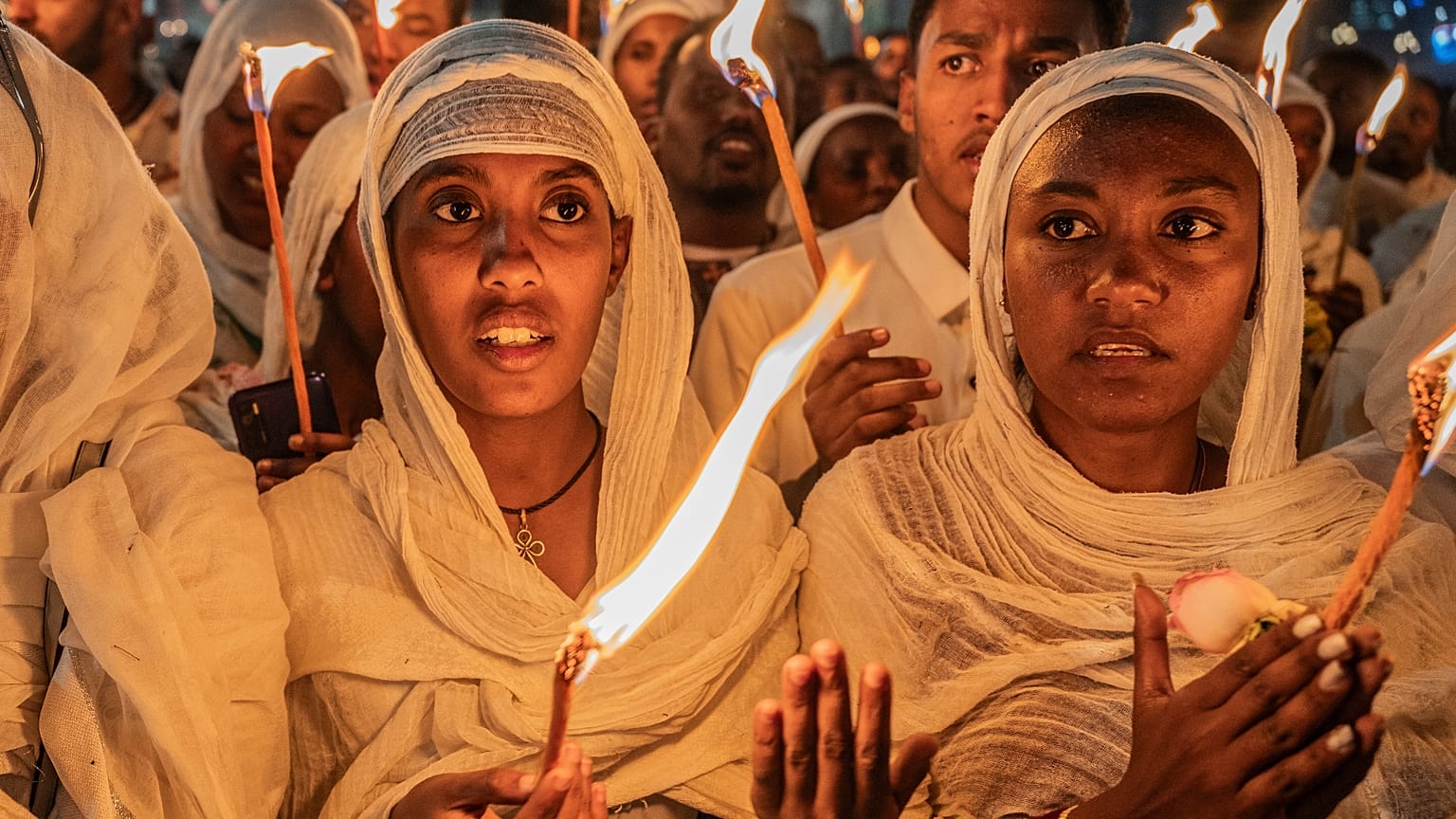
The Ethiopian Orthodox Church leads most Christmas celebrations in Ethiopia. Followers dress in white clothes to show purity. They take part in a long mass or Christmas liturgy Ethiopian Orthodox.
Many also fast for days before Christmas as a form of spiritual preparation. For those interested in reflecting on meaningful messages, exploring the heartfelt reflections shared in the collection of inspirational devotional quotes for the 2026 season can enhance the experience. The church service lasts several hours and includes special songs and prayers.
Christmas Liturgy and Mass
The mass begins early on January 7th, often before dawn. People light candles and carry crosses as they pray. The Mass (liturgy) includes readings from the Bible and hymns that tell the story of Christ’s birth.
This liturgy is a heartfelt moment for the community. It ends with everyone sharing holy communion and blessings.
Traditional Prayers and Hymns
Prayers during Genna focus on peace and God’s love. Special hymns are sung in Ge’ez, the ancient Ethiopian language. These songs are known for their deep melodies and spiritual power.
The music helps worshipers feel close to God and their history. Ethiopian religious music Christmas traditions remain alive and joyful at every service.
Role of Eritrean Orthodox Church
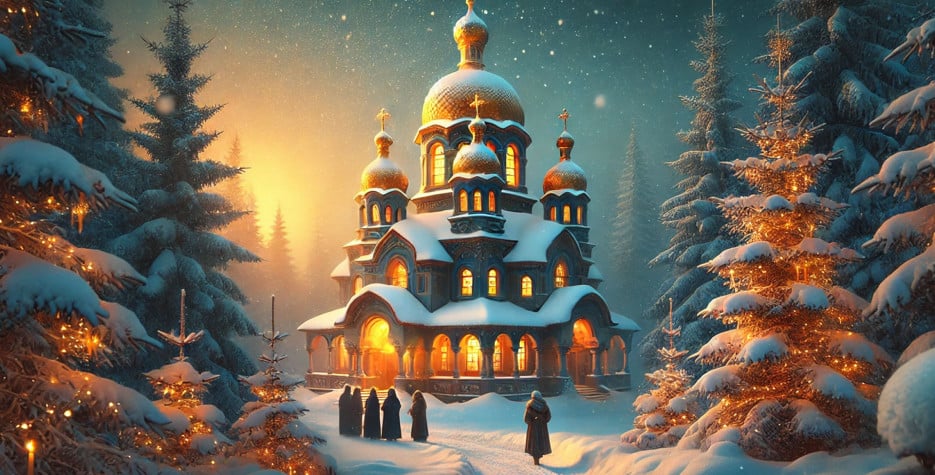
Similar to Ethiopia, the Eritrean Orthodox Church celebrates Christmas on January 7th. The two churches share many traditions, including liturgies, fasting, and prayers.
This shared faith strengthens cultural ties between Eritrea and Ethiopia. Both communities honor the day with reverence and joy.
While some customs differ, both churches highlight the importance of faith, family, and joy during Christmas.
More cultural insights similar to these Ethiopian traditions can be found through resources discussing religious festivals Ethiopia 2026.
Cultural Celebrations and Customs
Outside church, Ethiopian Christmas involves many cultural and social practices. Traditional clothing, feasts, and music show the joy of the holiday.
These customs keep the holiday lively and vibrant.
Traditional Clothing and Attire
On Genna, many people wear white cotton clothes called shamma. It symbolizes purity and faith. Men often wear long white shirts with scarves, while women wear dresses with beautiful embroidery.
This traditional Ethiopian Christmas clothing brightens the celebrations and reflects Ethiopia’s rich fabric arts and culture.

In rural areas, people may dress in ethnic tribal clothes to show diversity and pride.
Ethiopian Christmas Feast
After the church service, families gather for a big feast. Traditional dishes include doro wat (a spicy chicken stew) served with injera (a flatbread). These meals bring joy and unity after a day of fasting.
The feast is a time to share food with friends, family, and neighbors. It shows love and community spirit.
Explore festive greetings inspired by the 2026 Christmas season.
Ethnic Music and Dance
Music plays a key part during Ethiopian Christmas. Performers use drums, flutes, and traditional instruments to play joyful songs. People dance in circles, celebrating life and faith.
This music is lively and full of meaning. It brings everyone together in a shared celebration.
Children often play games and sing Christmas prayers, learning the culture from a young age. To deepen understanding and participation, families might find valuable guidance through the detailed schedule and insights provided in the 2026 LDS Christmas devotional event overview.
These vibrant customs make the holiday memorable and joyous for all ages.
Public Holiday and National Observance
Ethiopian Christmas is a public holiday in Ethiopia. People get time off work to celebrate and rest. The government officially declares January 7th as a day of religious observance.
This national recognition shows how important Christmas is to the Ethiopian people.
Government Declarations
The Ethiopian government issues official notices to close offices and schools on Genna. This allows citizens to attend church and spend time with family.
In 2026, the holiday will be marked as a full public holiday, reflecting its nationwide importance. It also helps tourism activities focused on cultural celebrations.
Community Events and Festivities
Many towns and cities hold special events during Christmas. These can include outdoor prayers, concerts with Ethiopian religious music Christmas, and community meals.
Festivities encourage unity and happiness among the population. Everyone is invited to join and share the spirit of the holiday.
Local groups sometimes organize educational talks about Ethiopian church traditions to teach younger people.
For deeper understanding of similar holidays, one might also explore celebrations linked to Orthodox faiths at this site covering events in 2026.
Related Festivals Around Ethiopian Christmas
Several important religious festivals occur near Christmas. These include the Timket festival and Ethiopian New Year. Each plays a special role in the religious calendar.
They help Ethiopians mark sacred times with worship and joy.
Timket (Epiphany) Festival
Timket celebrates the baptism of Jesus. It occurs on January 19th in 2026. This festival follows shortly after Christmas and is one of Ethiopia’s biggest religious events.
During Timket, colorful processions carry holy water and crosses. People renew their faith through prayers and blessings.
Frequently Asked Questions
Why do Ethiopians celebrate Christmas on January 7th?
Ethiopians celebrate Christmas on January 7th because their church follows the Julian calendar, which runs 13 days behind the Gregorian calendar used by most of the world. This calendar difference sets their holiday date apart.
What date is Ethiopian Christmas?
Ethiopian Christmas, also called Genna, always falls on January 7th according to the Julian calendar Ethiopia uses.
What day is Ethiopian fasika 2026?
In 2026, Ethiopian Fasika, or Easter, is observed on April 27th. This date varies because it follows the Ethiopian Orthodox Church calendar.
What year is Ethiopia now in 2026?
In 2026, Ethiopia is in the year 2018 according to the Ethiopian calendar. It is about 7-8 years behind the Gregorian calendar used worldwide.

Lee Black is a seasoned calendar expert with over a decade of experience in digital planning and organization. Specializing in Calendar 2027, Lee offers insights and tools to help individuals and businesses maximize their productivity.