
Ever wondered why some content just skyrockets in search engine rankings while others fall flat? Welcome to the world of Keyword. Let me tell you, Keyword is not just a buzzword — it’s the lifeblood of effective SEO in 2026. Whether you’re a newbie or an old hand navigating an SEO labyrinth, understanding Keyword within your SEO strategy can catapult your site performance 🚀.
This guide dives deep into the mechanics and magic of Keyword, unpacking how to harness its potential to dominate SERPs. We’re not just talking theory; you’ll get real-world insights, practical tips, and a healthy dose of actionable advice to refine your content game.
Here’s a quick fact: sites that optimize their Keyword usage see on average a 35% boost in organic traffic within months (
). This isn’t guesswork — it’s cold, hard data, and yes, it works.
Understanding Keyword: What It Really Means
Keyword essentially refers to the pivotal phrase or word your audience is typing into the search bar. It’s the bridge between their questions and your answers. Keyword isn’t about stuffing content with repetitive phrases but weaving these terms smoothly to help algorithms and humans alike recognize relevance.
- • Misusing Keyword can backfire spectacularly.
• Proper research elevates your content’s visibility.
• Intent behind Keyword dictates successful content planning.
🔢 Numbered List: How to Research Keyword Effectively:
- Identify core topics your audience cares about.
- Use tools like Google Trends or keyword research services.
- Analyze competitors’ Keyword usage for gaps.
- Align Keywords to content purpose and search intent.
Check out the comprehensive guide on keywords and search strategies at OWU library to fine-tune your approach.
Keyword Optimization Techniques for 2026
Optimization isn’t just an ancient ritual; it evolves. In 2026, it’s about blending Keyword naturally into title tags, headers, URLs, and body content — but with a flair for originality and user interest.
Some folks go overboard, jamming keywords everywhere. Don’t be that guy! Instead, focus on:
- Primary Keyword placement in first 100 words.
- Semantic keywords sprinkled throughout.
- Meta descriptions reflecting Keyword effectively.
- URL slug including core Keyword components.
💬
“Your Keyword strategy should feel like a conversation, not a lecture.” — SEO Expert, 2026
Helpful pro-tip: Use UConn’s keyword finding tips as a continual reference.
Creating Content Around Keyword
Great content doesn’t just revolve around Keyword. It orbits it naturally. Think of Keyword as the sun; your content is the solar system keeping it in motion and shining through with relevance and value. In 2026, focus more on user engagement, contextual depth, and diverse media formats inclusion.
Remember, people seek answers fast. Well-organized content with scannable headers, bullet points, and eye-catching highlights keep readers hooked and reduce bounce rates.

Source: eternitymarketing.com
Semantic SEO: Beyond the Exact Keyword
Semantic SEO is your secret weapon. Using synonyms and related phrases deepens relevance without sounding repetitive. For Keyword, this means embracing variations like “Keyword optimization”, “Keyword strategy”, or “Keyword research” sprinkled authentically through your text.
Technical Aspects of Keyword SEO
Don’t overlook the technical backbone. Without proper on-page SEO elements, even the smartest Keyword usage is wasted. Pay strict attention to:
- URL structure integrity — clear and including Keyword elements.
- Mobile-friendliness — essential for Google’s mobile-first indexing.
- Page speed — faster pages rank better.
- Schema markup — enhances SERP appearances.
Ensure you’ve set your meta tags right; a concise meta description with Keyword can increase click-through rates.
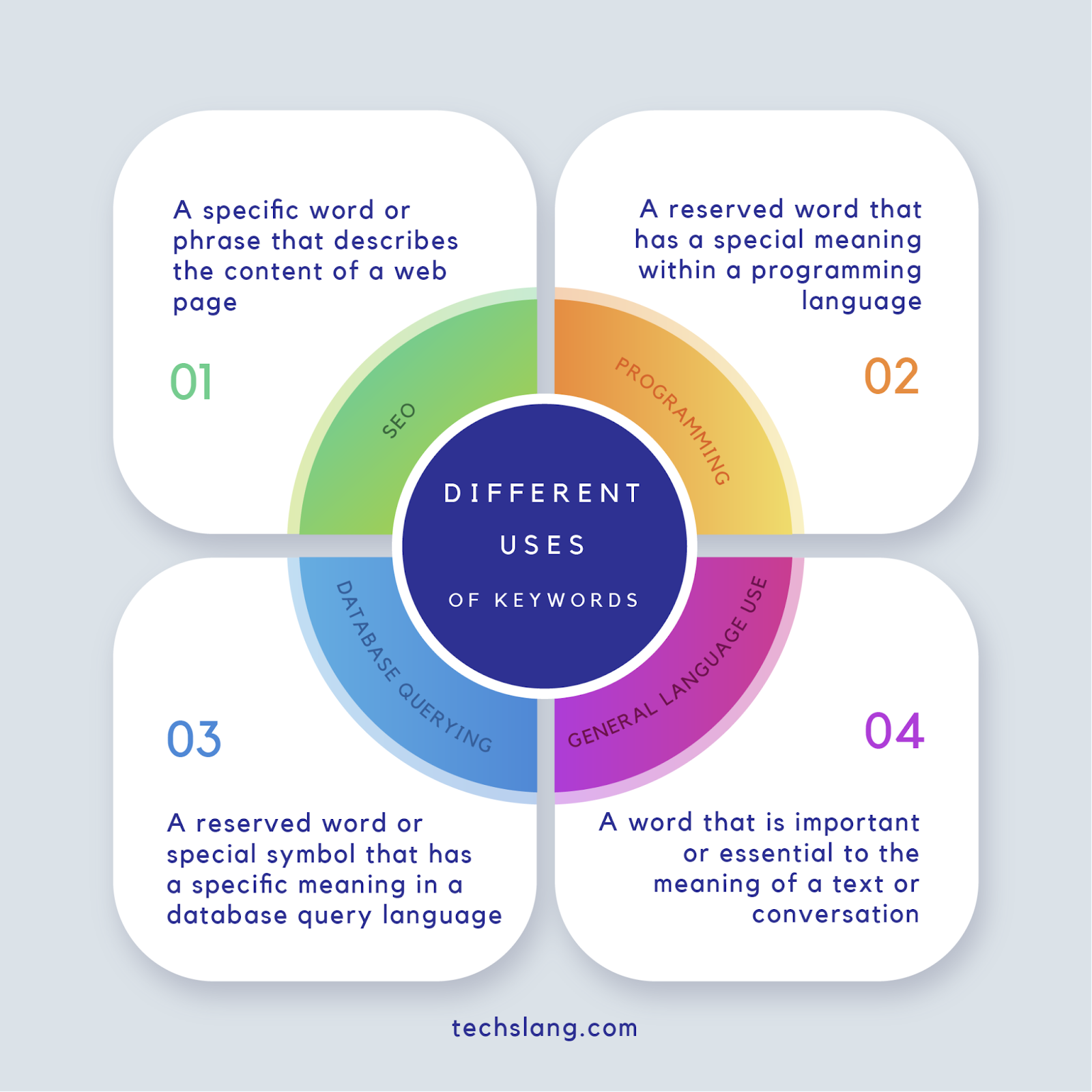
Source: www.techslang.com
Common Mistakes with Keyword Usage (Avoid These!)
The SEO hall of shame is full of Keyword missteps. Here’s what to watch out for:
- Keyword stuffing that disrupts content flow.
- Ignoring user intent when selecting Keyword.
- Neglecting long-tail Keyword variants.
- Forgetting regular Keyword performance review.
💡 Callout Box: Always align your Keyword strategy with actual user questions and needs, not just search volume stats.
How to Measure Keyword Success
Tracking is vital. Google Analytics and Search Console are must-haves for monitoring Keyword rankings and user behavior. Set benchmarks and review monthly to tweak for better performance.

Source: www.searchenginejournal.com
Key metrics to watch:
- • Keyword ranking changes
• Organic traffic growth
• Bounce rate adjustments
• Conversion rates associated with Keyword-led pages
Bringing It All Together: A Practical Keyword Strategy
Imagine you’re running a local florist shop. Keyword research shows many locals search “affordable flower delivery.” Incorporate this phrase naturally across your homepage, blog posts, and product descriptions.
Pair it with semantic phrases like “cheap bouquets near me” or “same-day flower delivery” to cover related queries. Use SEO tools to monitor how these Keywords influence your traffic.
Such a focused approach will edge out generic competitors and pull your shop to the digital forefront. 🚀
Conclusion
Keyword isn’t just another task on your SEO checklist; it’s the foundation of how your brand communicates with its audience through search engines in 2026. By mastering Keyword research, optimization, and content integration, you’re primed for success. Remember, the first 100 words and the final 100 of your main content are golden slots for Keyword — nail those, and you’re halfway there.
Let this guide be your blueprint. Embrace Keyword strategies, avoid common pitfalls, and watch your digital footprint grow exponentially.
Frequently Asked Questions
What is Keyword in SEO?
Keyword refers to the words or phrases users type into search engines and are crucial for optimizing content to be found online.
How do I research the best Keyword for my website?
Use tools like Google Trends, competitor analysis, and audience research to find Keywords that match your content and user intent accurately.
Why is Keyword placement important in content?
Proper placement helps search engines understand your content’s relevance and improves rankings and visibility efficiently.
Can Keyword stuffing harm my SEO?
Yes, keyword stuffing leads to penalties and a poor user experience; always integrate Keywords naturally within content.
How often should I update my Keyword strategy?
Regular reviews, at least quarterly, keep your Keyword strategy aligned with changing search trends and audience interests.