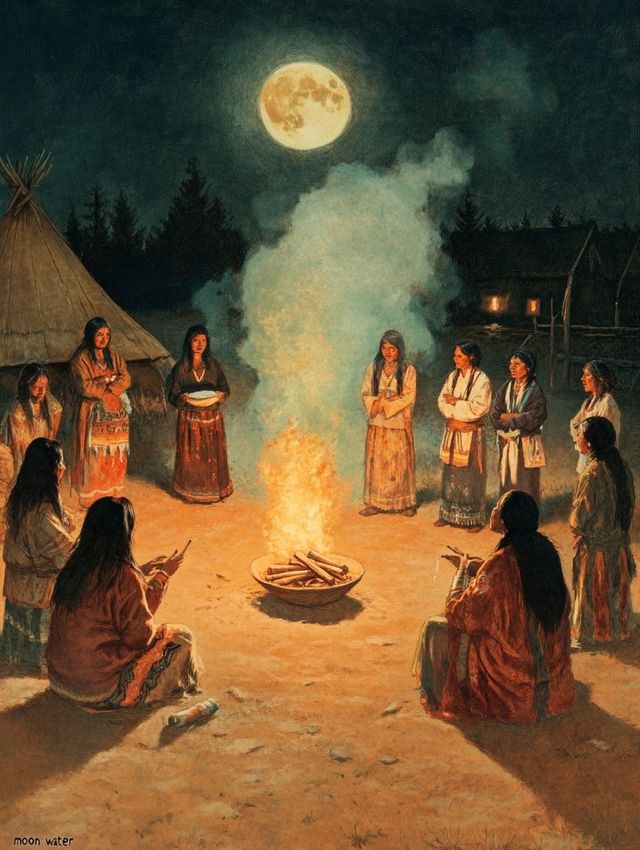
Ever wondered how different cultures have danced, prayed, or observed the January full moon? The Historical Cultural Rituals and Modern Celebrations Associated with the January Full Moon Across Different Ethnic Groups have roots that stretch far beyond just fancy lunar calendars. Some ethnic groups believe this moon is a time to cleanse, others to celebrate the wolves’ haunting calls on frosty nights, while some communities see it as a time to sow seeds of hope for the brand-new year.
Right now, in 2026, this age-old celestial event continues to inspire a fusion of ancient rituals meshed with today’s modern bash. Interested? Let’s roam through traditions, tales, and the magic surrounding this luminous spectacle.
🚀 Understanding the January Full Moon’s Global Significance
The January full moon holds unique names and meanings worldwide — it’s not just a glowing orb in the sky. For instance, it’s often called the Wolf Moon in North America, a nod to the chilling howls of wolves during cold winter nights. But what’s behind these names? And how do the traditions evolve with each generation?
Source: eaglesnestatitlan.com
- January’s full moon is usually the first full moon of the Gregorian calendar year.
- Different cultures attribute unique rituals and meanings to it.
- Wolf Moon is one of the most recognized names in the Northern Hemisphere.
January Full Moon Names Around the World
- Wolf Moon – Native American and Colonial American traditions
- Old Moon – Reflecting the end of winter’s grasp
- Full Snow Moon – Some cultures due to frequent snowfalls
- Ice Moon – Northern European communities
Learn more about the full moon names for 2026 to see how these titles give clues about climate and cultural beliefs through the year.
Source: eaglesnestatitlan.com
🌕 Historic Rituals by Ethnic Group and Region
Indigenous North American Traditions
For many Indigenous peoples, the Wolf Moon was a sacred marker in the winter cycle. It symbolized a time for gathering strength and calling on the spirit of the wolf for protection during harsh winters. This event was marked by communal feasts, storytelling, and spiritual ceremonies centered around the moon’s power.
East Asian Lunar Celebrations
In East Asia, while the lunar New Year often falls later, January’s full moon was historically significant for certain ethnic communities who practiced moon worship and rituals promoting harvest blessings. Lantern-lit gatherings illuminated the night sky, literally chasing away darkness and inviting good fortune.
European Folklore and Festivals
European peasants once saw the January full moon as a sign to start preparing fields for spring. Rituals often included lantern walks and fairs designed to ensure fertility for crops and livestock. Some traditions embraced the moon for its calming effect on emotions during the bleak midwinter.
African Tribal Customs
Several African ethnic groups view the January full moon as a time of reflection and community renewal. Ceremonies typically involve music, drumming, and anointing with herbal concoctions to connect with ancestors and the natural world.
✨ Modern Evolutions of January Full Moon Celebrations
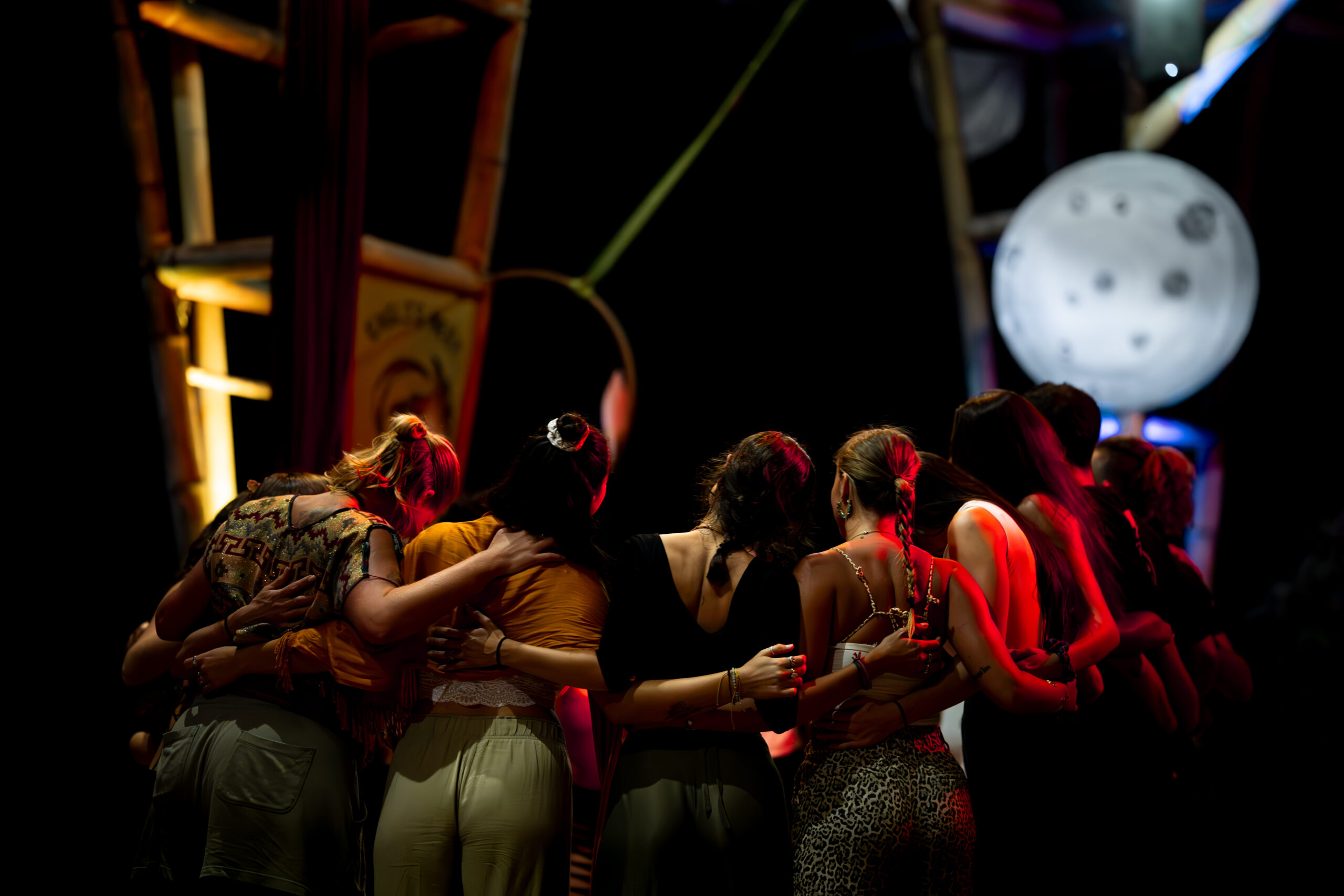
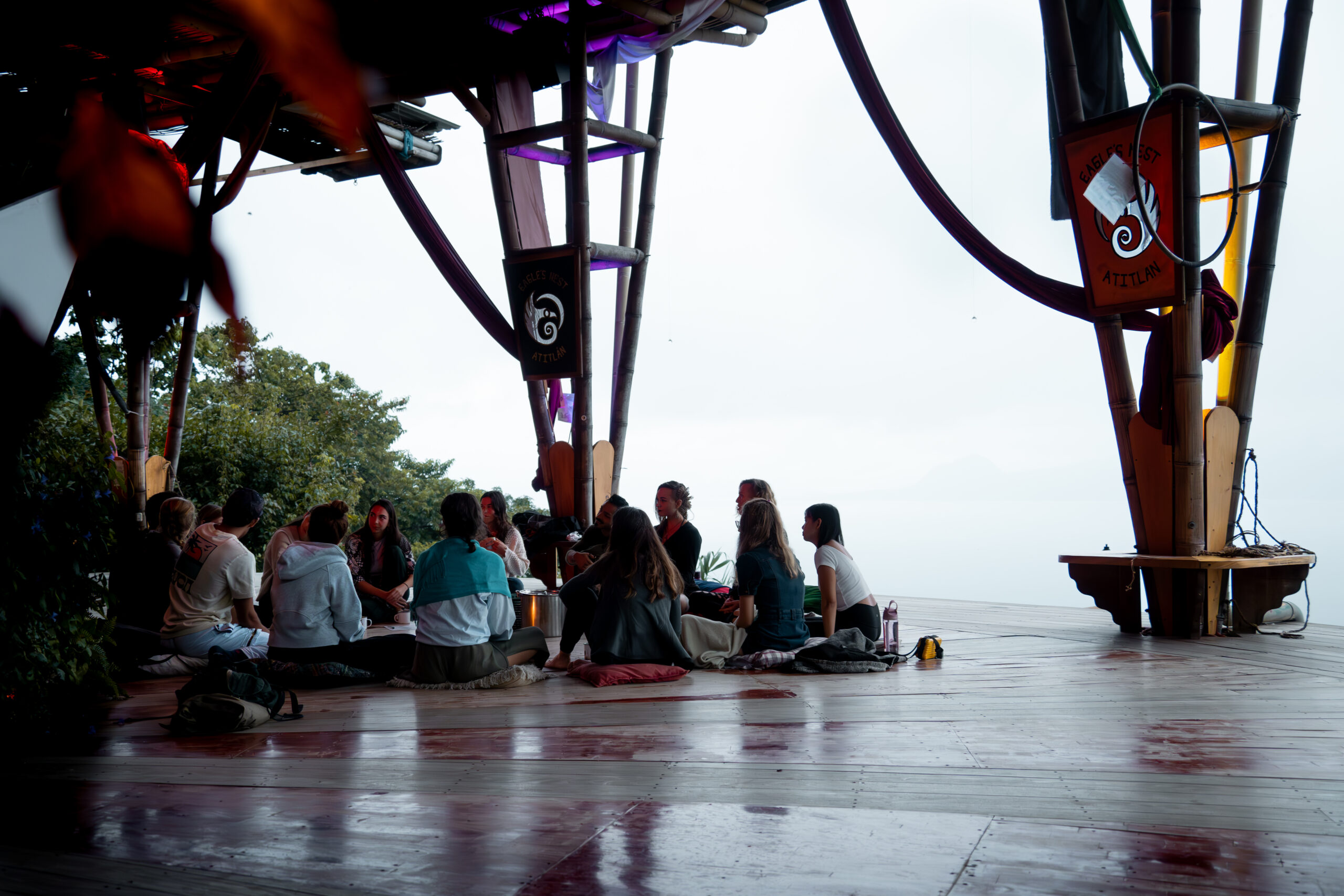
Today, the Historical Cultural Rituals and Modern Celebrations Associated with the January Full Moon Across Different Ethnic Groups also include yoga gatherings, meditation retreats, and environmental awareness events. Urban communities might host drum circles or moonlight hikes, blending tradition with contemporary ecological mindfulness.

Amazing is how some traditions have morphed yet retained that elemental respect for the moon’s influence on human life and nature. It’s like every full moon in January, a bridge forms between past and present.
🔢 Popular Rituals and How-To Guides
- Moon Bathing: Standing under the full moonlight, invite its energy to cleanse and rejuvenate.
- Wolf Moon Chant: A traditional Native chant invoking the wolf spirit for protection.
- Setting Intentions: Write down hopes for the year and let the moon amplify them.
- Community Feasts: Share food and stories to honor cultural bonds.
- Lunar Meditation: Practice mindfulness aligned with moon phases.
These rituals maintain cultural continuity while inviting newcomers to connect with lunar energy in their own way.
🌍 Global Calendar: 2026 January Full Moon Dates and Times
| Region | Date | Time (Local) | Time Zone |
|---|---|---|---|
| New York, USA | January 25, 2026 | 07:16 PM | EST |
| London, UK | January 25, 2026 | 12:16 AM (26th) | GMT |
| Tokyo, Japan | January 26, 2026 | 09:16 AM | JST |
Keep tabs on your region’s exact lunar moments by consulting reliable moon phase calendars like this Royal Museums Astronomy guide for precise timing in 2026.
💡 Tips for Experiencing the January Full Moon Like a Local
- Read up on region-specific moon names and their significance.
- Join local cultural groups or festival events around the full moon night.
- Try simple rituals such as moon gazing or lighting candles outdoors.
- Respect indigenous practices and seek permission if attending sacred ceremonies.
- Document your experiences to track lunar impacts over the years.
“The moon does not fight. It attacks no one. It does not worry. It does not try to crush others. It keeps to its course, but by its very nature, it gently influences.” — Unknown
From the frozen forests where the wolves sing to bustling city parks hosting drum circles, the Historical Cultural Rituals and Modern Celebrations Associated with the January Full Moon Across Different Ethnic Groups are vibrant testimonies to humanity’s bond with the night sky. Reflecting on 2026, these age-old practices not only survive but thrive, blending tradition with new age awareness in a way only the moon can inspire.

Source: www.pagangrimoire.com
Frequently Asked Questions
Why is the January full moon called the Wolf Moon?
The name ‘Wolf Moon’ originates from Native American and early Colonial American traditions, where the howling of wolves was commonly heard during the cold, barren nights of January. The name reflects the lunar month’s association with wild nature and winter’s challenges.
Are January full moon rituals still practiced today?
Absolutely. Many ethnic groups continue traditional ceremonies, while modern adaptations such as meditation, yoga gatherings, and ecological events have emerged. These celebrations honor ancient customs while fitting contemporary spiritual and social lifestyles.
How can I participate in January full moon traditions responsibly?
Learn about the cultural significance respectfully, participate with permission especially in sacred ceremonies, and adapt rituals like moon gazing or setting intentions in your personal way, always honoring the original meanings.
What is the significance of the full moon in astrology?
In astrology, the full moon marks a peak in lunar energy, symbolizing culmination, illumination, and release. The January full moon often highlights themes of reflection, renewal, and the setting of new goals aligned with the year’s start.
Where can I find the exact date and time for the January full moon in 2026?
Official astronomy institutions and reputable almanacs provide detailed full moon timings. For example, the Almanac’s full moon guide lists precise 2026 lunar phase data globally.
Do all cultures celebrate the full moon in January?
Not all cultures mark the January full moon with specific rituals, but many do. Celebrations vary widely depending on geographic location, historical beliefs, and cultural importance attached to lunar cycles.

