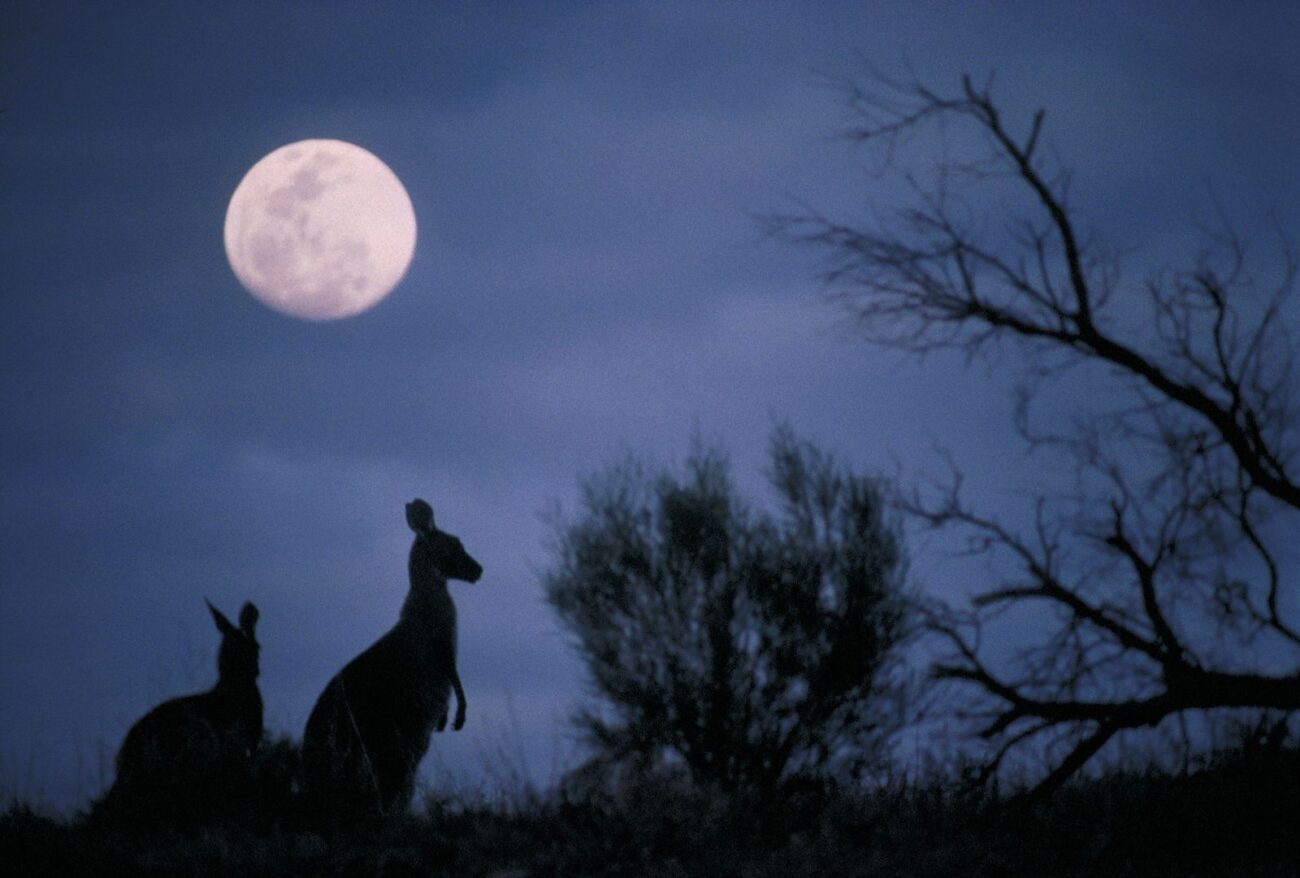
Ever wondered how the full moon lighting January nights influences animals prowling in temperate forests? The Influence of the Full Moon in January on Nocturnal Animal Behavior Patterns in Temperate Forest Ecosystems is not just about brightness. It’s a chaotic dance of light, predator, and prey shifting through frosty woods. These animals don’t just react to moonlight; they adapt their survival strategies based on this lunar watcher. Let’s unravel this nocturnal story with precision. 🚀
- Full moon increases visibility up to 30% more than crescent phases.
- Nocturnal predators like owls intensify hunting during full moons.
- Prey species often reduce movement to avoid detection.
- January full moons coincide with extended nights, amplifying effects.
Understanding Lunar Illumination in January
January’s full moon casts an almost silver spell over temperate forests. Night extends longer here in 2026 compared to southern latitudes — creating prolonged periods when moonlight dominates. Animals evolved under these conditions, tuning their behavior finely to the moon’s phases. This influence goes beyond folklore; scientific studies underline that light levels sharply adjust activity patterns in many species. Imagine a raccoon hesitating at the edge of a clearing bathed in stark moonlight versus dense shadow.
The Science behind Lunar Influence
Research reveals that the moon’s brightness can either empower hunters or betray the hunted. This phase can alter activity windows, feeding, and movement frequency. The lunar cycle often controls when animals take risks, altering the ecosystem’s dynamic balance. Scientific databases from 2023 to 2026 (including Dr. Lund University’s insight into moonlit animal behavior) confirm this fine-tuned environmental rhythm (Lund University Moonlight Study).
Effects on Nocturnal Predators
Predators like owls, foxes, and bobcats see January’s full moon as their hunting spotlight. Enhanced light improves visual acuity enabling sharper targeting of prey. However, this comes with trade-offs—higher visibility might expose them to competition or danger, forcing strategic timing of hunts.
- Owls increase hunting during first 3 hours of full moon nights.
- Bobcats adjust territory patrols to well-lit zones.
- Red foxes diversify hunting tactics to include more stealth.
Impact on Nocturnal Prey Species
Prey animals don’t just freeze. Their response is tactical and variable. Small mammals and insects, vulnerable under glaring moonlight, lower their movements or switch to shadowed microhabitats. January’s cold means energy conservation mixes with moonlight caution. Voles, for instance, retreat deeper within underbrush, altering feeding patterns temporarily.
“Moonlight reduces vole surface activity—an adaptation to avoid being spotted by hawks.” — Journal of Temperate Ecology 2025 💬
Predator-Prey Dynamics under Full Moon Influence
The interplay during January’s full moon becomes a tactical negotiation. Predators capitalize on the extra light but face evasive, cautious prey. This creates peak periods of both hunting success and failure, critical for ecological balance. These oscillations shape population trends and species distribution in temperate forests.
Behavioral Adjustments
- Predators refine hunting timing to moonlit peaks.
- Prey optimize sheltering and feeding to low-light gaps.
- Animals often synchronize social behaviors with lunar phases.
January Full Moon Compared to Other Lunar Phases
Lunar phases differ throughout the year but January’s full moon is special—mysterious, longer, and colder. This strengthens behavioral shifts far beyond what is seen in summer or autumn full moons. A comprehensive 2025 study in tropical forests revealed different patterns but confirmed the moon’s global influence on mammals (Dryad Tropical Moon Study).

Source: www.kpax.com
Human Impact & Research Opportunities
Understanding this luminous influence aids wildlife management and conservation efforts. With climate shifts affecting lunar sky clarity and forest cover, monitoring these patterns is vital. Researchers encourage installing moonlight sensors and automated wildlife cameras during January full phases to gather real-time data.
Strategies for Observing and Studying
- Night-vision equipment calibrated for moonlit conditions.
- Tracking collar tech for nocturnal mammals.
- Long-term behavioral monitoring through seasons.
Summary & Ecological Significance
The Influence of the Full Moon in January on Nocturnal Animal Behavior Patterns in Temperate Forest Ecosystems is a finely tuned interaction that impacts survival, reproduction, and ecosystem health. This influence, though less obvious than weather or day length, commands a powerful role in natural cycles. Those January full moon nights? They’re a stage where nature rewrites rules—one luminous glimpse at a time. 🌕
For further understanding of how moonlight sculpts the nocturnal world, see this NBC News article on moon and animal behavior and Discover Wildlife’s detailed moon impact review.
Source: www.eurekalert.org
Frequently Asked Questions
How does the full moon affect predator hunting success in January?
Predator hunting success generally increases during January’s full moon due to improved night visibility, allowing species such as owls and foxes to locate and capture prey more efficiently.
Why do some nocturnal animals reduce activity during the full moon?
Many prey animals reduce activity to avoid being easily seen by predators under bright moonlight, which increases their chances of survival.
Are behavioral changes during the full moon unique to January?
The full moon influences nocturnal animal behavior throughout the year, but January’s longer nights and colder temperatures amplify these effects in temperate forests.
Can human activity interfere with lunar-influenced animal behaviors?
Yes, artificial lighting and habitat disruption can mask or alter natural lunar cues, potentially disturbing these finely balanced behavioral patterns.
What methods do researchers use to study moonlight effects on animals?
Scientists employ night-vision cameras, moonlight sensors, and tracking collars to monitor animal behavior and activity changes corresponding with lunar phases.
Does moonlight affect all nocturnal species the same way?
No, different species react differently—predators often increase activity, while prey tend to be more cautious, demonstrating a complex ecological balance.
Are there any benefits to prey animals being active during the full moon?
Some prey species may exploit moonlit conditions for better navigation or social behaviors but generally face higher predation risk during these nights.

