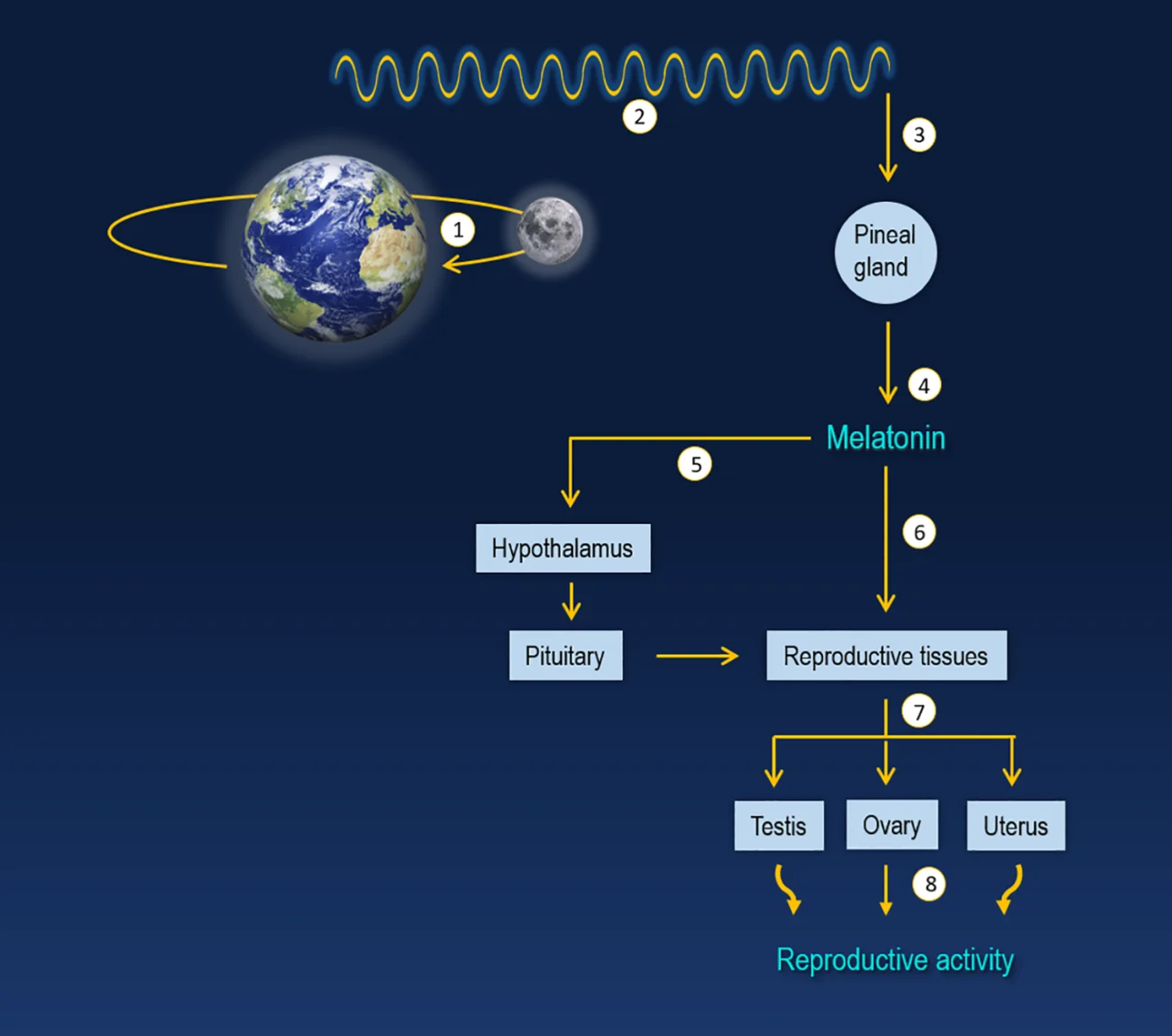
Ever wondered why some farmers still watch the skies in January? Effects of the Full Moon in January on Winter Crop Growth Cycles in Northern Hemisphere Agriculture are more than folklore—there is tangible impact, especially as we maneuver the colder months of 2026. The full moon signals shifts not just in tides but subtle changes in how winter crops like wheat, barley, and rye develop amid frost and frozen fields. Imagine Tom, a wheat farmer in North Dakota, watching the January full moon to optimize planting and harvesting schedules. That’s no coincidence.
– January’s full moon is called the “Wolf Moon”
– Moon gravity influences moisture levels in soil
– Timing crops with lunar phases may increase yield
– Full moon effects vary by crop and latitude
How Lunar Cycles Align With Agriculture
Of course, it’s tempting to dismiss lunar farming as superstition, but modern agricultural researchers observe real phenomena. The moon’s gravitational pull according to the Farmers’ Almanac and extensions from University of Illinois guides fluid movement in the soil and sap in plants, leading to noticeable shifts during a full moon.
Soil Moisture and Root Absorption
During full moons, increased gravity draws water closer to the surface, potentially boosting root water absorption. This moisture dynamic in frozen or semi-frozen Northern Hemisphere soils can energize cold-hardy crops’ growth cycles at critical points.
The January Full Moon Phenomenon
January’s full moon—dubbed the “Wolf Moon”—arrives at a unique point in winter stress cycles. Its timing often coincides with root strengthening phases, encouraging robust plant development despite frigid conditions. As Farmers’ Almanac details, farmers have observed correlations between moon phases and yield patterns for centuries.

Source: agronoblog.com
Impact on Specific Winter Crops
- Winter Wheat: Roots respond to moon-driven moisture, improving nutrient uptake and resilience.
- Barley: More uniform growth cycles observed in relation to lunar phases.
- Rye: Performance peaks when planting and maintenance align with moon timings.
- Cover Crops: Enhanced soil conditioning right under the January full moon.
Real-World Farmer Examples
Consider Emma, a rye grower in Canada, who aligns her fertility schedule with lunar cycles. She’s seen a consistent uptick in crop robustness each January full moon period, directly linking it to moisture and hormonal shifts influenced by the moon’s gravity.
Practical Tips for Using Moon Phases in Farming
- Observe local January full moon timing precisely for your zone.
- Increase irrigation slightly during full moon periods to optimize moisture availability.
- Schedule fertilization or soil aeration near full moon for root absorption benefits.
- Document growth impacts yearly to refine lunar calendar integration.
| Pros | Cons |
|---|---|
| Natural moisture management | Requires precise timing knowledge |
| Improved crop resilience | May not apply to all crops equally |
| Low-cost farm practice | Some growers skeptical of effectiveness |
Scientific Backing and Skepticism
Not everyone buys lunar agriculture hook, line, and sinker. Yet research like that from Nuffield Scholars 2009 report confirms measurable correlations between full moon phases and certain crop metrics. Outcomes depend heavily on crop species, soil type, and local climate.
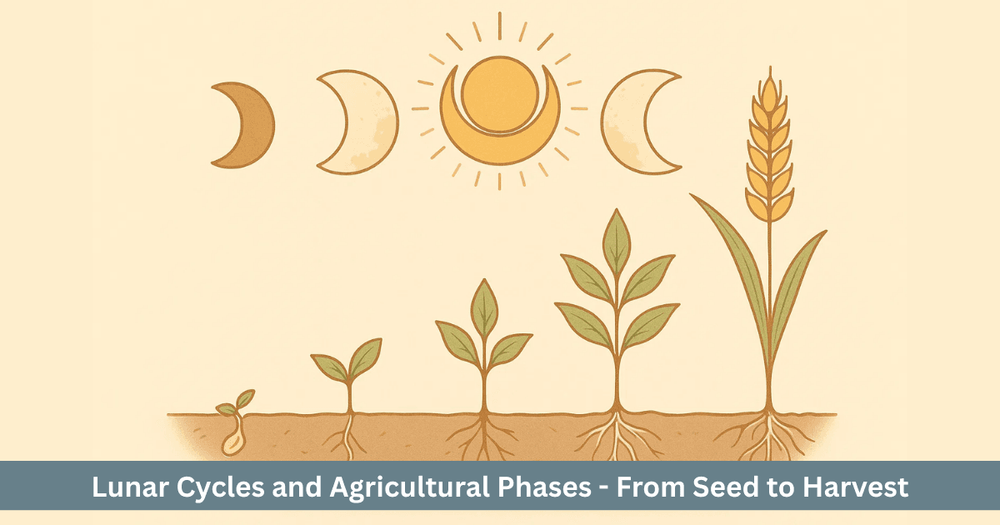
Source: www.myzodiaq.in
Distinguishing Between Tradition and Science
There’s a fine line between traditional wisdom and empirical proof. The key? Employ lunar strategies alongside modern agronomy—not as a blindfold but as an extra tool in the toolkit.
💬
“Working with the moon isn’t witchcraft; it’s a rhythm farmers have danced to for centuries—now we just have better watches.”
Monitoring and Adjusting Through 2026
As the 2026 growing season unfolds, pay close attention to the January full moon’s timing. Use soil moisture sensors to measure changes and adjust irrigation accordingly. If you’re curious to dive deeper into lunar influence on gardening, the Farmhands Companion offers a user-friendly guide to integrate moon phase strategies effortlessly.
So yes, Effects of the Full Moon in January on Winter Crop Growth Cycles in Northern Hemisphere Agriculture are neither myth nor miracle—they represent a natural phenomenon ripe for smart application in 2026. With precise timing and observant care, you can harness these lunar forces to boost crop performance during the toughest months.
Frequently Asked Questions
Does the January full moon really affect crop growth?
Yes, particularly in cold-season crops in the Northern Hemisphere, the full moon influences soil moisture and plant hormonal activity, subtly aiding growth cycles.
Which crops benefit most from the January full moon?
Winter wheat, barley, rye, and various cover crops show the most positive responses to full moon timing in January, especially relating to root development phase.
How can farmers use the lunar cycle effectively?
Farmers should coordinate planting, fertilizing, and irrigation with moon phases, paying special attention to the full moon as a trigger for critical growth phases.
Is there scientific proof supporting lunar farming?
Studies, including the UK Nuffield report, demonstrate correlations though results vary; lunar farming works best combined with modern agricultural science.
Can lunar cycles replace standard farming practices?
No. They should be used as complementary tools alongside soil testing, pest control, and weather monitoring for best crop results.

