Ever wondered how the Correlation Between Full Moon January Lunar Phases and Tidal Variations Along the Pacific Northwest Coast truly shapes the relentless dance of the ocean? Imagine waking up on a chilly January morning along the rugged Pacific Northwest shore, the moon hanging fat and full in the dark sky, its pull already nudging the tides into action. It’s not just folklore — there’s a compelling physical link here, kicking off a tidal spectacle that locals and scientists both eagerly anticipate.
- The full moon in January intensifies gravitational forces affecting tides.
- Tidal variations peak due to Earth-Moon-Sun alignment during this phase.
- The Pacific Northwest coast experiences some of the most pronounced tidal shifts.
How Lunar Forces Drive Tides Along the Pacific Northwest Coast
The moon’s gravitational pull tugs on the Earth’s oceans like a cosmic puppeteer. During the January full moon lunar phases, this pull strengthens, syncing with the sun’s gravity to produce higher high tides—known as spring tides. Here along the Pacific Northwest coast, where shoreline topography meets these forces, tidal variations become especially dramatic.
According to NOAA’s detailed explanation of tidal variations, both the position and distance of the moon contribute heavily to these predictable surges. The full moon phase in January typically aligns Earth, Moon, and Sun in such a way that the tide effects are magnified more than during other months as detailed by NOAA.
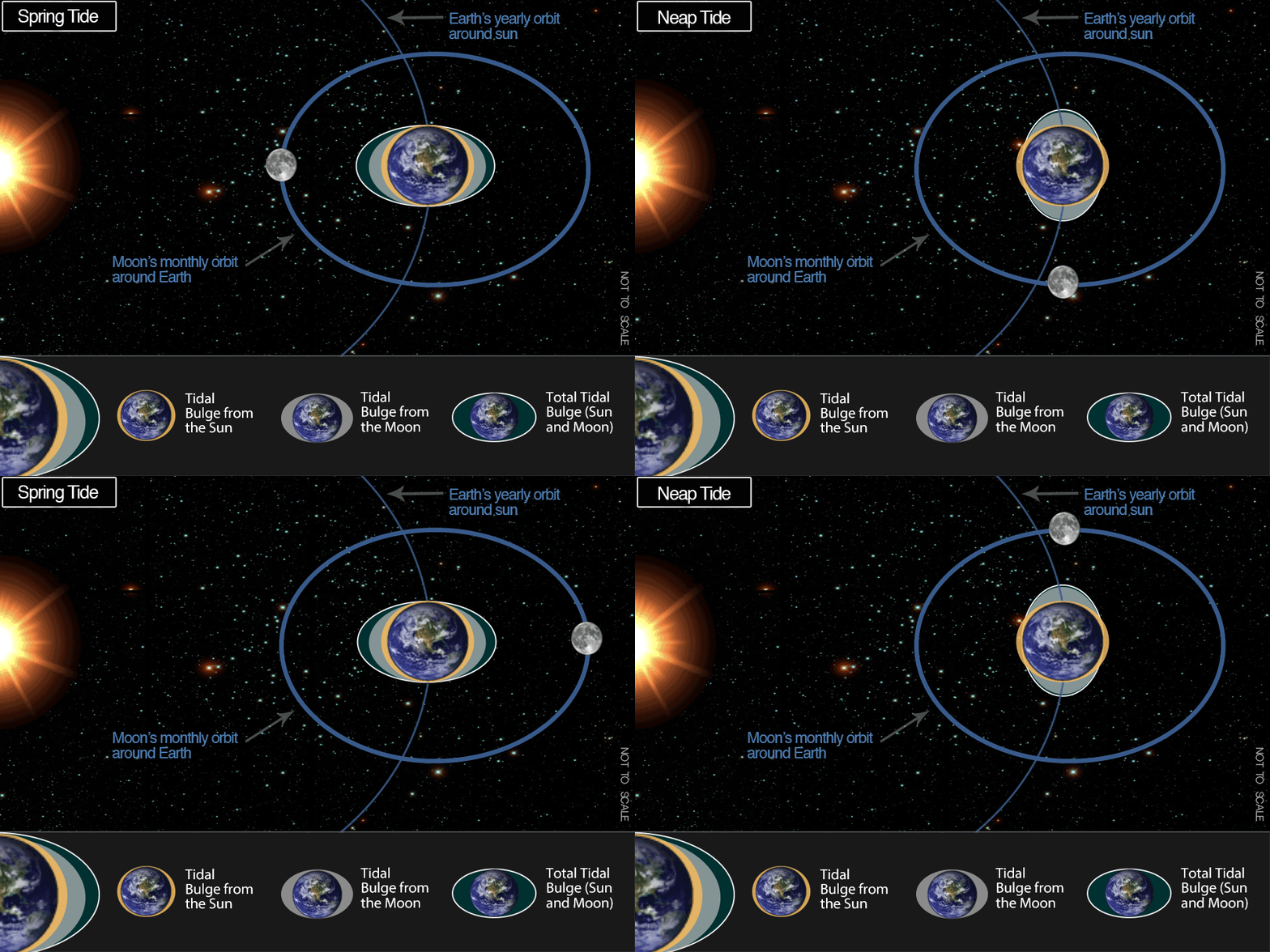
Source: oceanservice.noaa.gov
Moon Phases and Their Specific Effects on Tides
- New Moon: Moderate tidal range due to gravitational pull alignment
- Full Moon: Maximum tidal range and stronger tidal events
- First and Last Quarters: Neap tides with weaker tidal variations
Scientific Exploration of January’s Lunar Cycle Impact
Research into lunar influences has clearly spotlighted January’s full moon as a critical phase for tidal dynamics. The heightened gravitational attraction and Earth-Moon proximity during this full moon cause the ocean water level along the Pacific Northwest to rise sharply, flooding shorelines in ways that can impact coastal ecosystems and human activities.
It’s more than just water level changes; ocean currents subtly shift as well. This interaction was well explained in a study linking moon phases to ocean currents exploring this connection, underscoring the complex interplay between lunar cycles and marine environments.
Tidal Variations and Their Influence on the Pacific Northwest Environment
Consider the salmon fishing industry or the tidal estuaries – both are intimately tied to these lunar-driven tidal rhythms. High tides during full moons in January can either help or hinder fish migration depending on timing, which in turn affects local economies and indigenous fishing practices.
This interaction is not just ecological; it’s cultural and commercial. Folklore and traditional wisdom have long acknowledged the powers of the full moon on tides. Today, these are complemented by scientific insights proving these links are far from coincidental.
Impact on Human Activities
- Increased risk of coastal flooding and erosion
- Altered boating and fishing schedules
- Changes in recreational beach access
Predicting January Full Moon Tidal Variations in 2026
With modern tidal modeling and lunar observation tools, scientists are better equipped than ever to predict how the full moon January lunar phases will influence tides this year. The precision of predictions improves with the integration of moon-earth-sun positional data, allowing coastal planners, fishermen, and residents to take smarter precautions.
The University of Washington offers insights into how moon phases correlate with rainfall and other weather effects that can compound tide impacts highlighting cascading natural effects often seen in the Pacific Northwest.
Practical Advice for Coastal Residents and Visitors
- Monitor full moon dates carefully every January.
- Prepare for higher tides affecting coastal infrastructure.
- Plan fishing and boating around the lunar tidal forecasts.
- Stay informed about flood warnings issued by local authorities.
Common Misconceptions Debunked
“The moon controls all weather patterns” is a stretch—it’s primarily about tides and specific localized effects.
Advanced Monitoring Tools Leveraging Lunar-Tidal Data
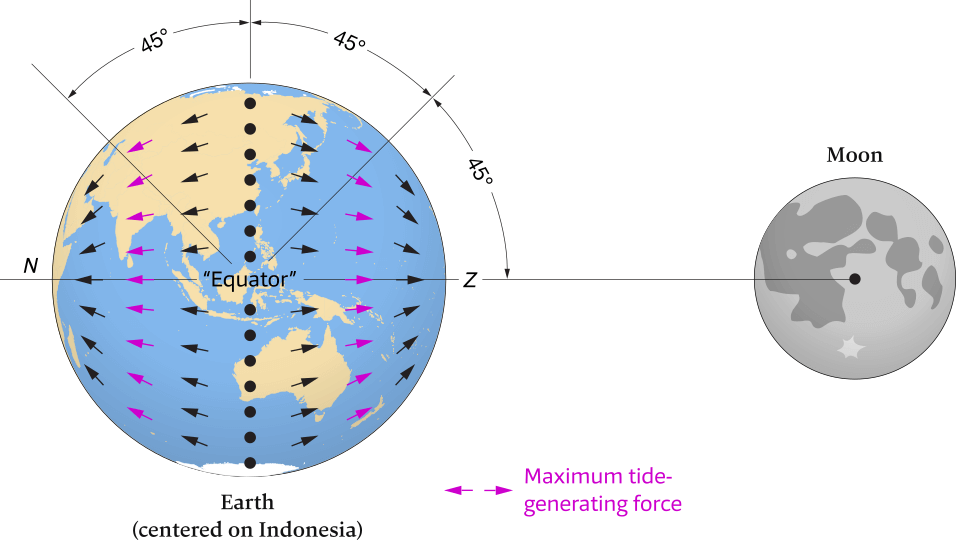
Today’s technological grasp on tides includes satellite data, coastal sensors, and moon phase tracking software. This level of detail lets us see not just when tides peak, but how the lunar phases modulate them in subtle ways along complex coastlines like the Pacific Northwest.
For those who want a deep dive into moon-tide interaction, the National Geographic Ngarrngga initiative presents an engaging educational activity establishing this link through firsthand observation and data comparison providing invaluable learning resources.

Source: www.spearfactor.com
Looking Ahead: Climate Change and Its Impact on Lunar-Tidal Relationships
Climate change is reshaping shoreline geography, arguably altering how tides influenced by lunar cycles behave. Rising sea levels and coastal erosion may amplify or dampen the tidal effects from full moons in coming decades, making understanding this correlation more urgent than ever.
Summary and Key Takeaways
- Full moon January lunar phases cause pronounced tidal variations along the Pacific Northwest coast.
- These variations affect ecosystems, human industries, and cultural practices.
- Technology and traditional knowledge combined provide the best predictions available.
- Ongoing climate shifts compel continuous study of these lunar-tide correlations.
Understanding the Correlation Between Full Moon January Lunar Phases and Tidal Variations Along the Pacific Northwest Coast is essential, especially now in 2026 as coastal communities face new challenges. It’s not some distant phenomenon — it’s intertwined with everyday life along these shores, shaping currents, tides, and even the fate of coastal habitats.
Frequently Asked Questions
How does the full moon in January specifically affect Pacific Northwest tides?
The full moon in January increases gravitational pull causing higher than average tides, called spring tides, that can significantly raise water levels along the Pacific Northwest coast.
Why are tidal variations more extreme during full moons compared to other lunar phases?
During full moons, the Earth, moon, and sun align, combining their gravitational forces which create stronger high tides and lower low tides known as spring tides, intensifying tidal variations.
Can tidal predictions based on lunar phases prevent coastal flooding?
While they improve forecasting accuracy, tidal predictions help communities prepare for potential flooding but cannot prevent it; effective planning and infrastructure are essential for mitigation.
Do lunar phases influence only tides or other weather patterns too?
Lunar phases mainly affect tides, but some studies hint the moon’s gravitational effects can influence localized weather aspects like rainfall, though these effects are less direct and significant.
How will climate change impact the relationship between lunar phases and tides?
Climate change alters sea levels and shoreline configurations, potentially magnifying or modifying tidal effects caused by lunar phases, creating new challenges for managing coastal environments.
Where can I find reliable data on lunar phases and tide predictions?
Authoritative sources like NOAA, university research publications, and local coastal monitoring agencies provide detailed, updated lunar phase and tide prediction data.

